Whether you’re a seasoned hunter looking to upgrade or a beginner gearing up for your first season, choosing the right hunting blind is one of the most critical decisions you’ll make. A quality blind is more than just a shelter; it’s a vital tool that provides concealment, protects you from the elements, and ultimately increases your chances of a successful hunt.
But with countless options on the market—from a simple one man pop up blind to elaborate plastic ground blinds—how do you choose? This guide will break down everything you need to know. We’ll cover the essential factors like size, portability, window configuration, and material, helping you select the perfect hunting blind for your specific needs.
The most important factors when choosing a hunting blind are its portability, ease of setup, and size. For a solo hunter, a lightweight blind with a fast, hub-style setup is ideal, while a group might prioritize a larger, more permanent structure for added comfort.
💰Save More with Our Discounts & Coupons!
- 1
- 2
- 3
- …
- 13
- Next Page »
Step 1: Choosing the Right Size and Capacity
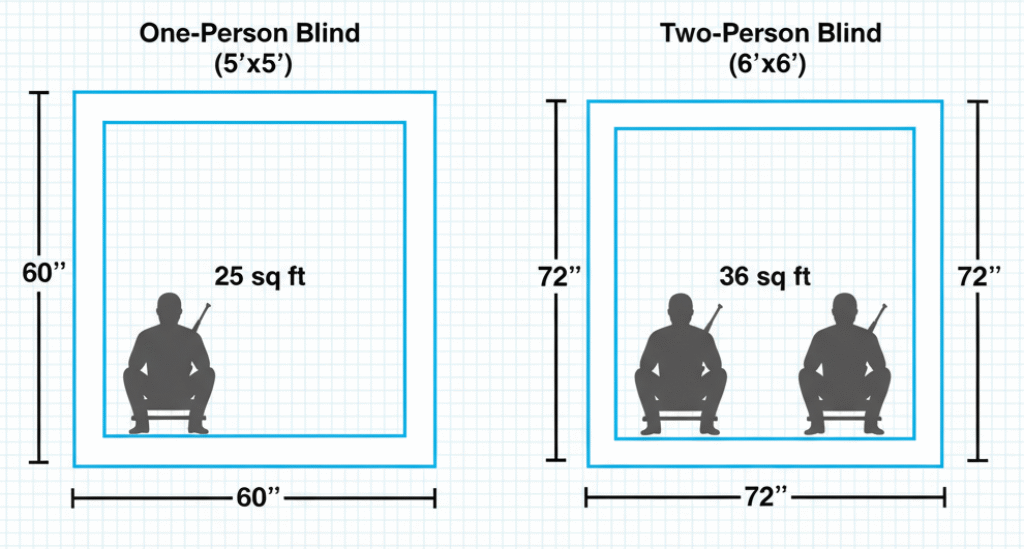
The first question you need to ask is: “How many people will be hunting with me?” The size of the blind determines not only your comfort but also your portability and concealment.
One-Person Hunting Blinds: For the Solo Hunter
A one-person hunting blind is the ultimate choice for mobility and stealth.
- Who it’s for: The solo hunter who hikes to their spot, moves frequently, and values a lightweight pack. A typical one man blind is perfect for this.
- The Benefit: At just 4×4 or 5×5 feet and often weighing under 20 pounds, these blinds are incredibly portable. A solo hunter can easily carry a one person ground blind deep into the woods without getting fatigued.
- The Downside: Space is tight. There’s enough room for you, your weapon, and a small pack, but not much else. Bowhunters, in particular, need to ensure there’s enough clearance to draw their bow.
Two-Person and Larger Blinds
These blinds offer more room but sacrifice portability.
- Who it’s for: Hunters who bring a partner, child, or camera operator, or solo hunters who want extra room for gear and comfort on all-day sits.
- The Benefit: A 5×6 or 6×6 foot blind provides ample space to move around, store extra gear, and comfortably draw a bow without hitting the sides.
- The Downside: They are significantly heavier and bulkier, making them less ideal for run-and-gun style hunting.
Step 2: Portability vs. Durability (Pop-Up vs. Box Blinds)
How you hunt will determine the type of blind you need. Are you a mobile hunter who sets up for a single day, or do you hunt from a fixed location all season?
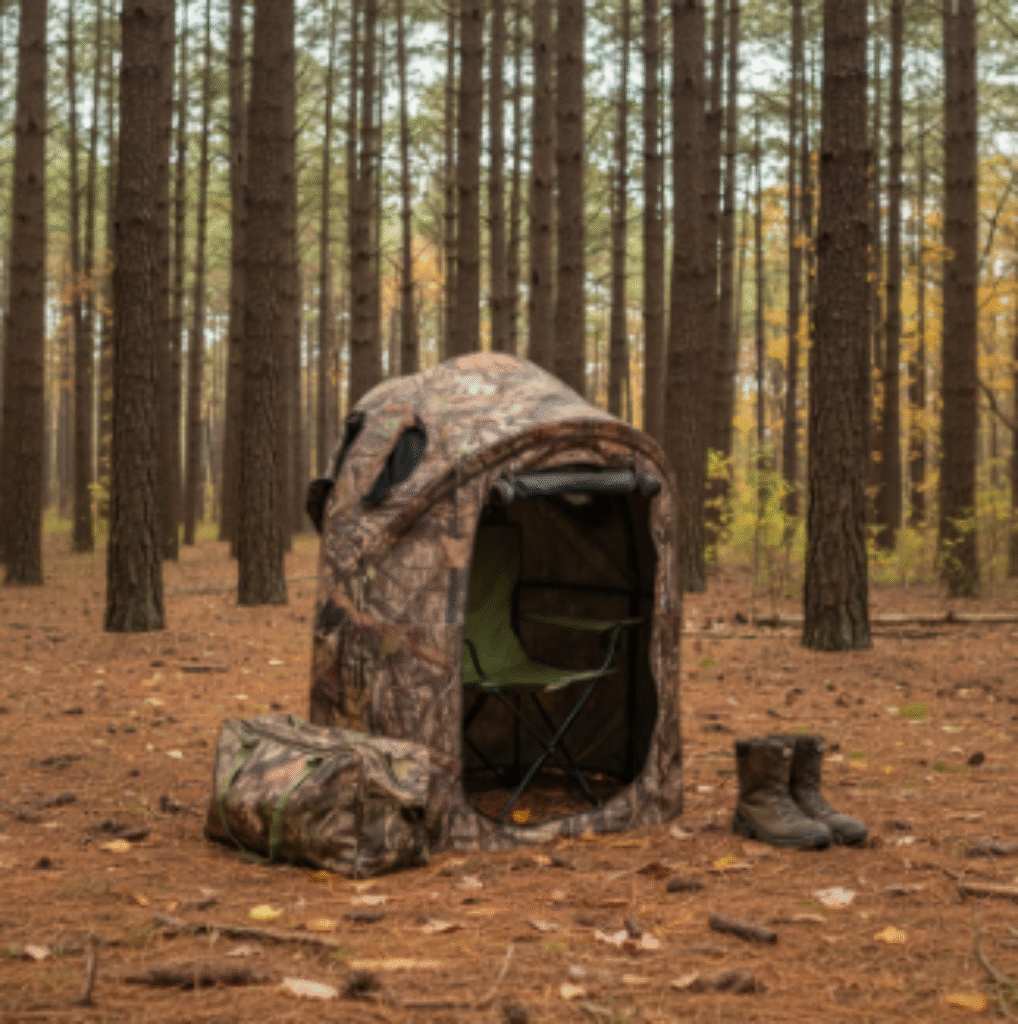
Fabric Pop-Up Blinds (Portable)
A fabric pop-up blind (often called a deer blind tent) is the most popular type of ground blind, especially for solo hunters.
- Portability & Ease of Setup: Their key advantage is portability. Most feature a hub-style design that allows for a quick and quiet setup in just a few minutes, a huge plus when you don’t have a partner to help.
- Concealment: Look for models with a blacked-out interior to hide your movements and brush loops on the exterior to add natural foliage for better camouflage.
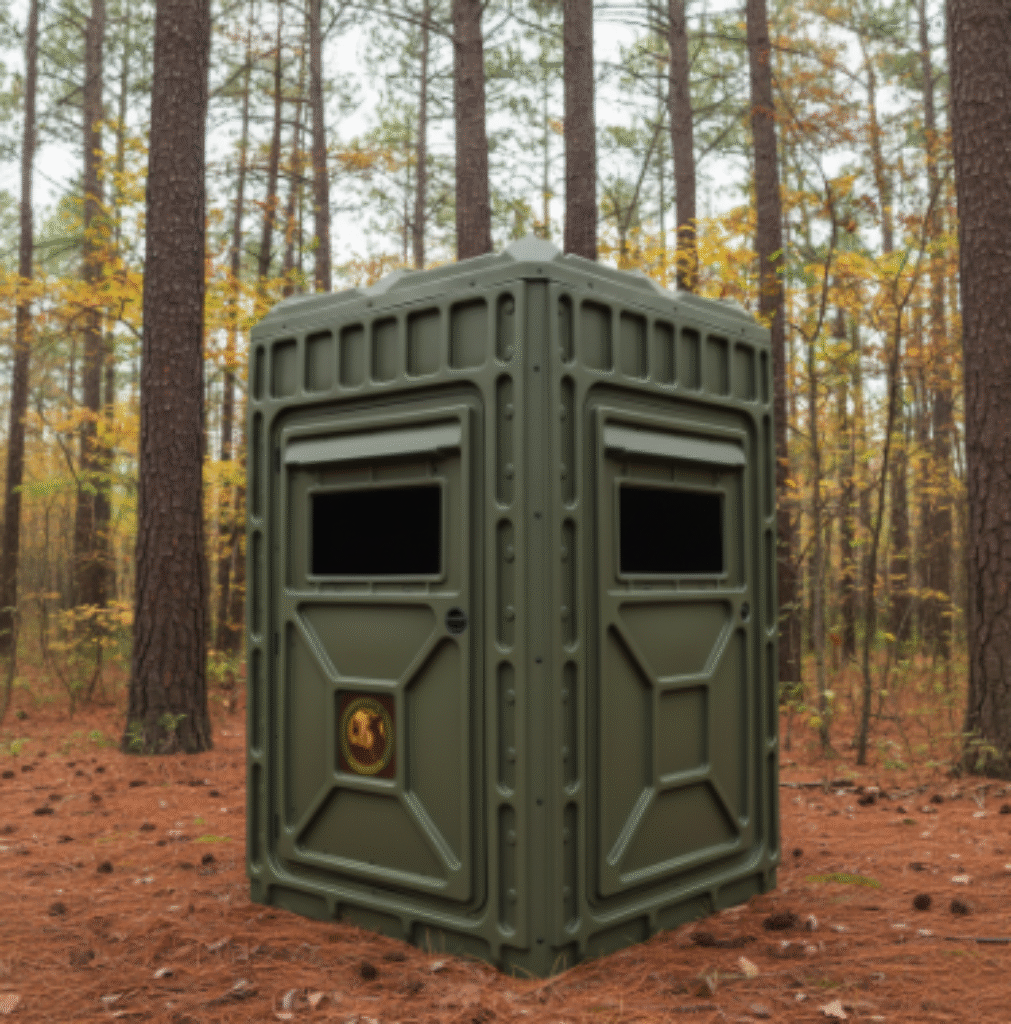
Hard-Shell Box Blinds (Permanent)
These are sturdy, semi-permanent structures, often made from wood or durable plastic ground blinds.
- Durability & Comfort: A box blind offers superior protection from wind, rain, and cold. They are completely weatherproof and offer excellent scent control.
- The Tradeoff: They are heavy, expensive, and not portable. They require significant effort to set up and are meant to be left in a prime location for the entire season.
💰Save More with Our Discounts & Coupons!
- 1
- 2
- 3
- …
- 13
- Next Page »
Step 3: Window Configuration for Your Weapon
The design of the windows is a critical feature that depends entirely on whether you’re hunting with a rifle or a bow.
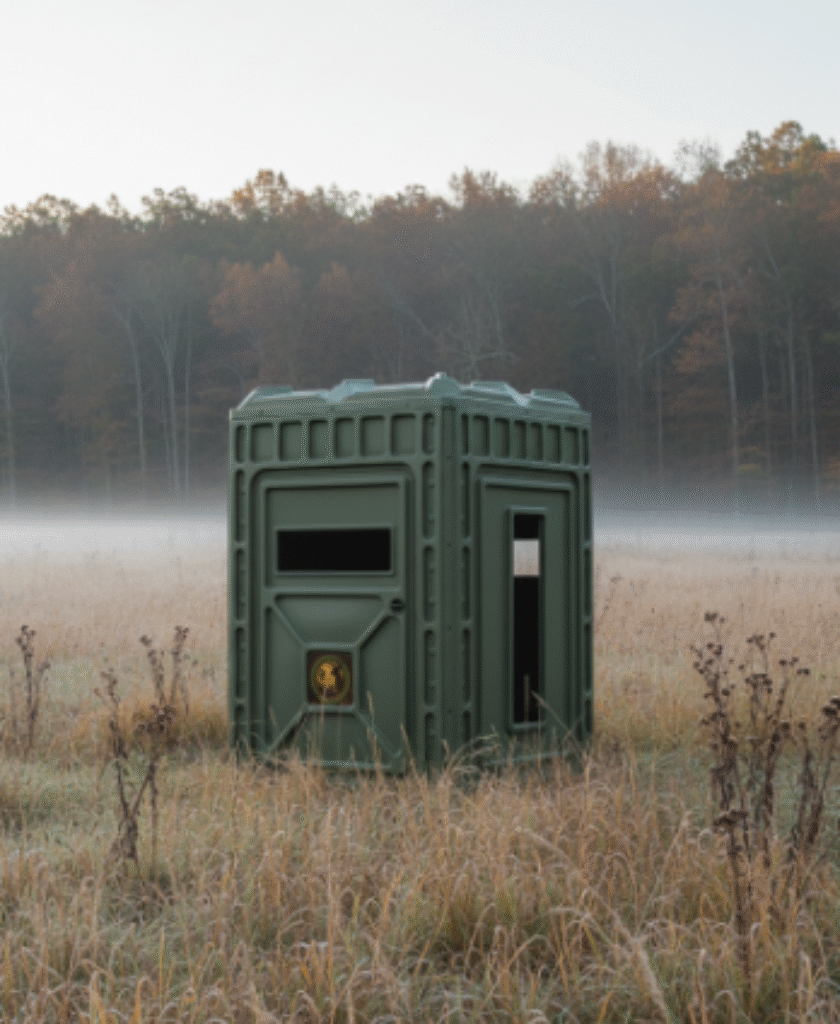
- For Rifle Hunting: Look for blinds with wide, horizontal windows. These offer the broadest field of view for scanning and provide a stable rest for taking a long-range shot.
- For Bowhunting: Vertical windows are essential. They provide the necessary clearance for your bow’s limbs and arrow when you’re at full draw. Some of the best hunting blinds offer modular “silent-slide” windows that can be adjusted to create either horizontal or vertical openings.
Step 4: Camouflage and Concealment
Even the best hunting blind will fail if it sticks out like a sore thumb. Proper concealment is an art.
- Set Up Early: Animals notice new things. Set your blind up at least a few weeks before you plan to hunt from it. This gives local wildlife time to get used to it and accept it as part of the landscape.
- Use Natural Cover: Never place your blind in the middle of an open field. Tuck it into a fenceline, against a cluster of trees, or into thick brush to break up its outline.
- “Brush It In”: Use the built-in brush loops on your blind to add native branches, grass, and leaves. This simple step makes a massive difference in blending your blind into its surroundings.
Step 5: Essential Features to Look For
When you’re comparing models, keep an eye out for these quality-of-life features:
- Material and Durability: Look for a durable, weather-resistant fabric (at least 300D polyester) and a sturdy frame of fiberglass poles that won’t snap in the wind.
- Quiet Operation: Zippers are loud. Prioritize blinds with silent-slide windows or hook-and-loop closures to avoid spooking game.
- Interior Features: A dark, blacked-out interior is crucial for hiding your silhouette. Interior gear pockets are a nice bonus for keeping your essentials organized.
💰Save More with Our Discounts & Coupons!
- 1
- 2
- 3
- …
- 13
- Next Page »
How to Choose a Hunting Blind: The 5-Step Checklist
Ready to make a choice but just need the key steps? This simple 5-step checklist will help you choose the perfect hunting blind for your needs, ensuring you invest in the right gear for a successful and comfortable season.
- Determine Your Size and Capacity
First, decide if you’ll hunt solo or with a partner. A one-person hunting blind (around 5’x5′) offers the best portability and is ideal for mobile hunters. Larger blinds (6’x6′ and up) provide more comfort and gear storage but are heavier.
- Select a Blind Type Based on Portability
Choose between a portable pop-up ground blind or a permanent hard-shell blind. For hunters who change locations, a lightweight fabric pop-up blind with a hub-style design is the best choice for fast, easy setup.
- Check the Window Configuration
Ensure the windows match your hunting weapon. Rifle hunters need wide, horizontal openings for a broad field of view and a shooting rest. Bowhunters require tall, vertical windows to provide clearance for their bow’s limbs at full draw.
- Plan for Proper Concealment
To avoid spooking game, set up your blind several weeks before you hunt from it. Always place it against natural cover like trees or thick brush, and use the built-in brush loops to add native vegetation to break up its outline.
- Inspect for Key Quality Features
Before buying, check for a durable, weather-resistant fabric (at least 300D), a sturdy frame with solid poles, and features that allow for silent operation, such as silent-slide windows instead of loud zippers.
Conclusion: Find the Blind That Fits Your Hunt
Choosing the right hunting blind is a personal decision that balances portability, comfort, and the style of hunting you do. For the solo hunter on the move, a lightweight and easy-to-set-up one man pop up blind is an unbeatable tool. For those who hunt a fixed location and value comfort, a sturdier box blind might be the better investment.
By focusing on the right size, portability, and window configuration for your needs, you can find the perfect blind that will keep you concealed and comfortable, season after season.
Frequently Asked Questions (FAQ)
Hub-style or pop-up blinds are by far the easiest to set up, especially for one person. They are designed to be deployed in minutes without any tools. Simply unfold the blind, pop out the side hubs, and you’re ready to hunt.
Yes, deer will absolutely notice a new blind. It’s a large, unfamiliar object in their territory. That’s why it’s critical to set your blind up 2-6 weeks before you plan to hunt, giving deer ample time to get accustomed to its presence.
For a solo rifle or crossbow hunter, a 4×4 foot blind is generally big enough. However, this can feel cramped with gear. A 5×5 foot blind is a much more comfortable choice for a one-person ground blind, especially for bowhunters who need extra room to draw their bow without hitting the sides. When in doubt, it’s always better to go slightly bigger.