For decades, the answer was simple: if you hunt ducks, you shoot a 12-gauge. Its power, payload, and perceived range made it the undisputed king of the duck blind. The lighter 20-gauge was seen as a gun for youth, beginners, or upland birds—not serious waterfowl.
But that’s all changed. The debate of 12-gauge vs. 20-gauge for duck hunting is back, and this time, the 20-gauge has a powerful new argument. So, is a 20-gauge okay for duck hunting?
Yes, a 20-gauge is now an incredibly effective and versatile choice for duck hunting, thanks to major advancements in modern ammunition. While the 12-gauge still holds a power advantage, today’s high-density, non-toxic loads allow a 20-gauge to deliver lethal performance with less recoil and in a lighter, faster-handling package.
This guide will break down the pros and cons of the modern 20-gauge, explain why ammunition is the great equalizer, and help you decide which gauge is truly the best for your hunt.

The Pros of a 20-Gauge for Duck Hunting
Why are so many hunters making the switch? The advantages of a 20-gauge shotgun go beyond just its smaller size.
Less Recoil and Faster Follow-Up Shots
This is the number one benefit. A 20-gauge shotgun generates significantly less felt recoil than its 12-gauge counterpart. This isn’t just about comfort; less kick means you’re less likely to flinch, you can stay on target more easily, and you can get a second shot off faster and more accurately. For new shooters or those sensitive to recoil, this makes a massive difference in confidence and effectiveness.
Lighter Weight and Better Maneuverability
20-gauge shotguns are built on smaller frames and are noticeably lighter to carry. This is a huge advantage when you’re trekking through a marsh, setting up decoys, or swinging the gun in the tight confines of a layout blind. The reduced weight means less fatigue and a faster, more responsive gun when ducks appear suddenly.
💰Save More with Our Discounts & Coupons!
- 1
- 2
- 3
- …
- 13
- Next Page »
The (Perceived) Cons of a 20-Gauge for Duck Hunting
While modern technology has solved many of its issues, the 20-gauge still has inherent limitations you must understand.
Limited Payload Capacity
The primary drawback is a smaller hull, which means a smaller payload. A typical 3-inch 20-gauge shell holds around 1 to 1 1/8 ounces of shot, while a 12-gauge can easily handle 1 1/4 to 1 1/2 ounces. A lower payload means fewer pellets in the air, which translates to a less dense pattern and a smaller margin for error on fast-moving ducks.
Traditionally Shorter Effective Range
Because of that smaller payload—especially with less-dense steel shot—the 20-gauge has historically had a shorter effective range, typically limited to around 30-35 yards. Pushing shots beyond this range risks wounding, rather than cleanly killing, birds. This requires more discipline and patience from the hunter.
The Great Equalizer: Why Modern Ammunition Changes Everything
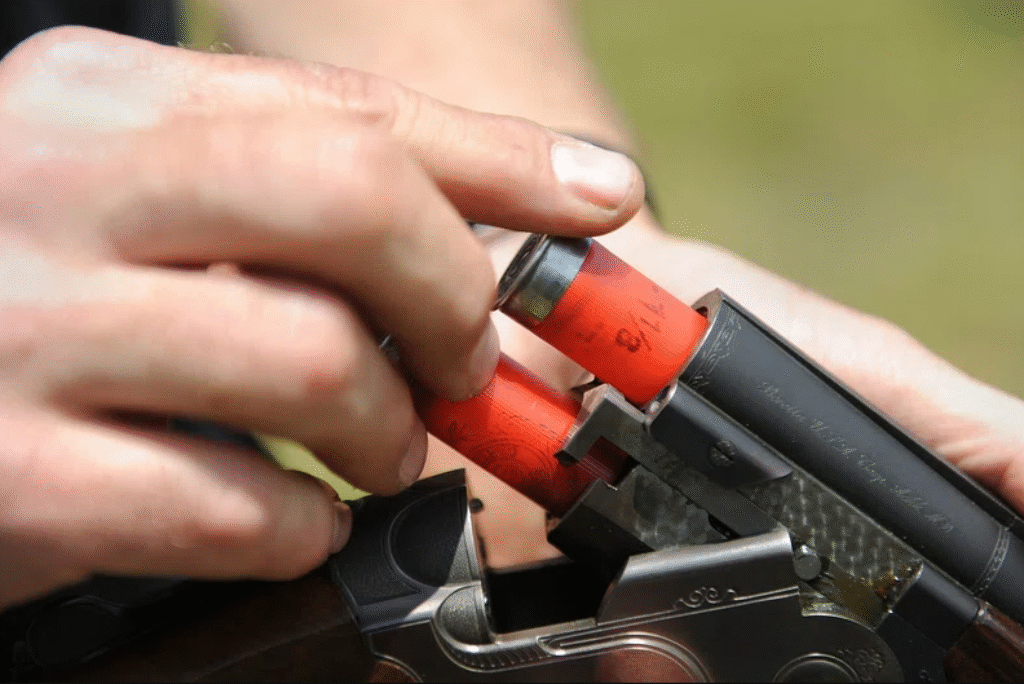
So if a 20-gauge has a lower payload and shorter range, why is it suddenly so popular? The answer is modern, high-density non-toxic ammunition.
Lead shot has been banned for waterfowl hunting since 1991, and its primary replacement, steel, is significantly less dense. This meant smaller gauges like the 20-gauge struggled to carry enough energy for clean kills. But today’s premium shells solve this problem:
- Bismuth Loads: Bismuth is much denser than steel, allowing a 20-gauge to shoot smaller, faster pellets that carry more energy downrange. It lets a 20-gauge perform like a 12-gauge shooting steel.
- Tungsten Super Shot (TSS): TSS is the king. It is incredibly dense (even denser than lead) and allows hunters to use tiny shot sizes (like #7 or #9) in their 20-gauge shells. This results in an extremely dense pattern with astonishing energy, making a 20-gauge lethal on ducks well past 40 yards.
These advanced loads are the hero of this story. They effectively erase the traditional performance gap, making the lightweight, low-recoil 20-gauge a true powerhouse in the marsh.
💰Save More with Our Discounts & Coupons!
- 1
- 2
- 3
- …
- 13
- Next Page »
12-Gauge vs. 20-Gauge: The Final Verdict
So, which gauge should you choose for duck hunting? The best choice depends on your budget, hunting style, and priorities.
| Feature | 12-Gauge Shotgun | 20-Gauge Shotgun |
|---|---|---|
| Best For | All-around versatility, geese, long-range passing shots | Decoying ducks, walk-in hunts, recoil-sensitive shooters |
| Recoil | Moderate to Heavy | Mild to Moderate |
| Weight | Heavier, harder to carry | Lighter, easier to handle |
| Payload | Larger (more pellets) | Smaller (fewer pellets) |
| Ammunition | Widely available, cheaper (for steel) | Good availability, premium loads are more expensive |
| Effective Range | Versatile for all ranges | Excellent at close/mid-range, requires premium ammo for long range |
Choose a 12-Gauge if… you want one gun to do it all, from ducks to geese, and value a larger payload and maximum range with standard, affordable steel shot.
Choose a 20-Gauge if… you prioritize a lightweight gun for mobility, are sensitive to recoil, and primarily hunt decoying ducks within 40 yards.
Top 20-Gauge Shotguns for Waterfowl Hunting
Ready to make the switch? These models are consistently praised for their performance in the duck blind:

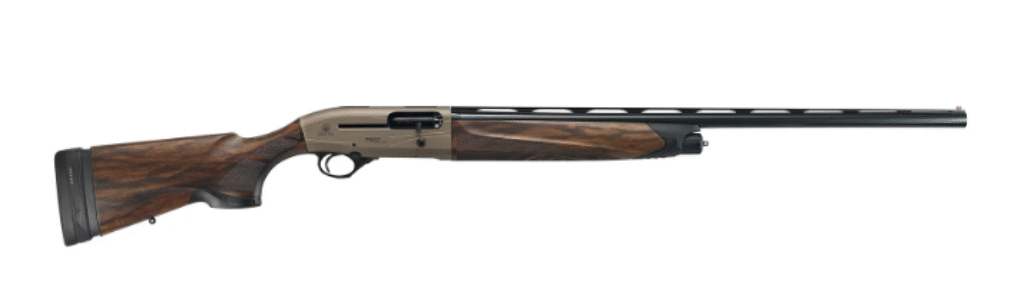
- Benelli M2 Field: A legendary semi-automatic known for its rugged reliability and lightweight design. It’s a favorite among serious 20-gauge waterfowlers.
- Beretta A400 Xplor: A soft-shooting gas-operated semi-auto that makes recoil practically disappear, perfect for long days and heavy loads.
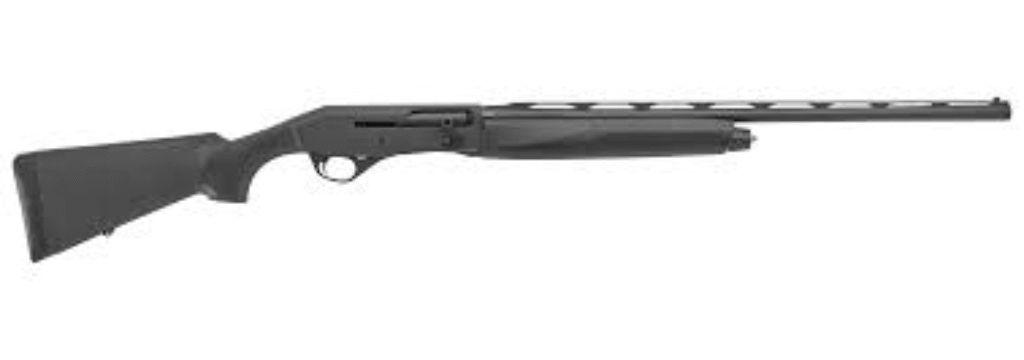
- Stoeger M3020: Widely considered one of the best value semi-autos on the market, offering Benelli-like performance at a fraction of the cost.
Conclusion
The myth that the 20-gauge isn’t enough gun for ducks is officially dead. Thanks to incredible advancements in ammunition, the 20-gauge is now a lighter, softer-shooting, and highly capable alternative to the classic 12-gauge. While the 12-gauge still reigns for all-around versatility and brute force, the modern 20-gauge shotgun offers a refined, effective, and incredibly enjoyable experience for the dedicated duck hunter.
Frequently Asked Questions (FAQ)
Yes, but ammunition choice is critical. While a 12-gauge is generally a better choice for large, tough birds like geese, a 20-gauge loaded with high-density TSS or Bismuth #2 shot can be very effective at reasonable ranges (under 40 yards). Standard steel shot is not recommended.
With steel shells, #3 or #2 shot is a great all-around choice for bigger ducks like mallards, while #4 is effective on smaller ducks like teal. If you are using denser Bismuth or TSS loads, you can use smaller shot sizes (#4 Bismuth or even #7 TSS) to achieve an incredibly dense pattern.
Generally, yes. With standard field loads, a 20-gauge produces significantly less recoil. However, a lightweight 20-gauge shooting a heavy magnum load can sometimes have more felt recoil than a heavy 12-gauge shooting a light target load.