When shopping for a wig, you’ll encounter terms like length, color, and style, but one of the most crucial yet confusing factors is wig density. What does “150% density” actually mean? And how do you choose the right one for your desired look? Understanding wig density meaning is the key to finding a wig that looks natural, feels comfortable, and gives you the exact volume you’re looking for.
Simply put, wig density is the measurement of how much hair is ventilated (or sewn) onto the wig cap. It’s expressed as a percentage that tells you how thick or thin the hair on the wig will be. It’s not about the thickness of individual hair strands, but the number of strands overall.
This guide will break down everything you need to know about wig density. We’ll provide a clear wig density chart, explain the different categories, and show you how to choose the perfect fullness for your needs.
💰Save More with Our Discounts & Coupons!
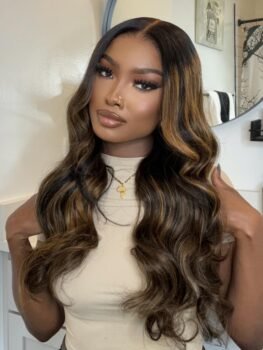
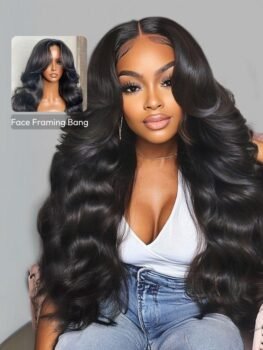
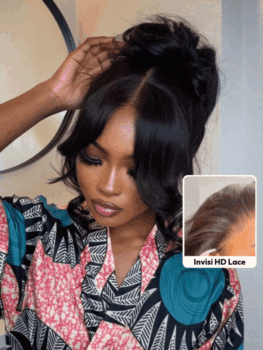

Wig Density Chart Explained
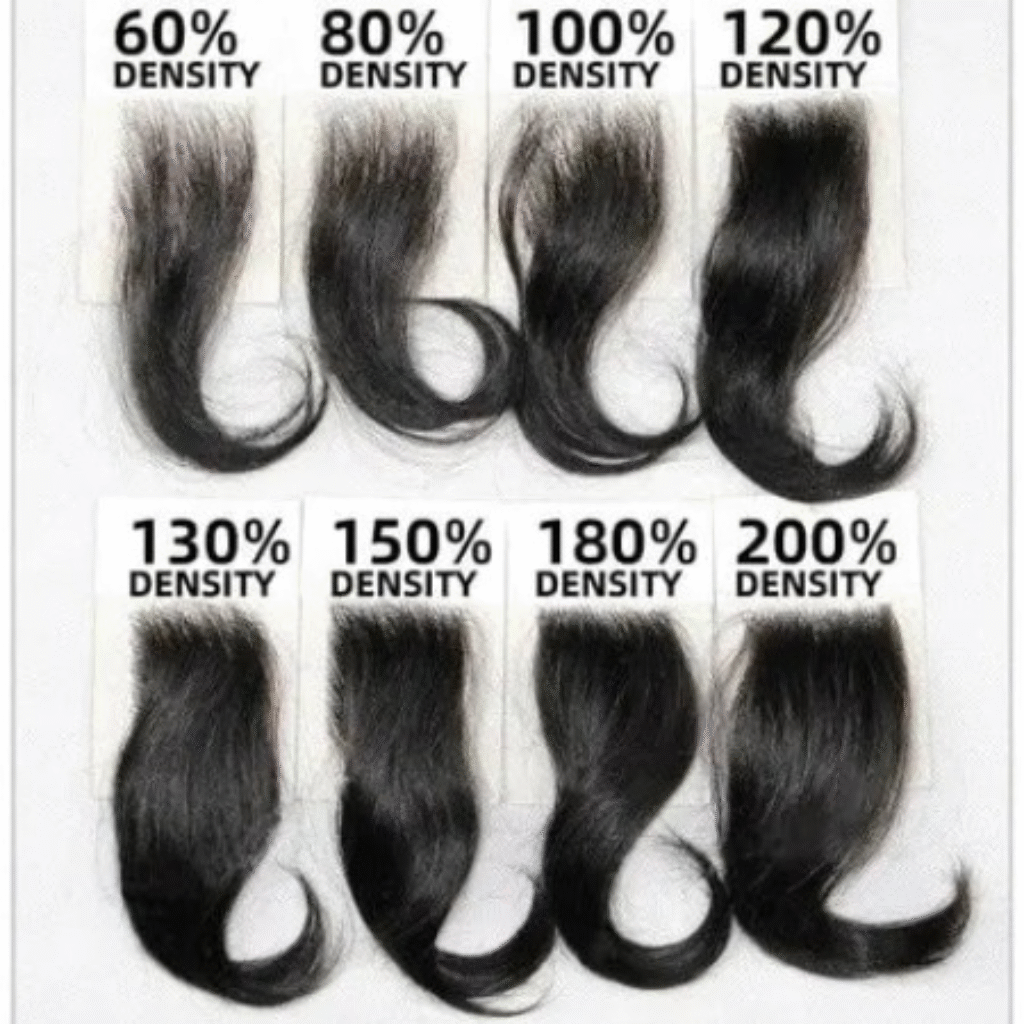
The best way to visualize wig density is with a chart. Density percentages mimic the thickness of natural hair, from very thin to exceptionally full.
| Density Percentage | Category | Description & Best For |
|---|---|---|
| 80% – 100% | Low Density | Mimics naturally thin or fine hair. Ideal for a very realistic, lightweight feel or for those with thinning hair at the crown. |
| 120% – 130% | Medium (Natural) Density | The standard for most wigs. It perfectly replicates the fullness of an average head of hair, making it the most popular choice for everyday wear. |
| 150% Density | Natural Full Density | A step up in volume. The 150 density wig offers a noticeably fuller, healthier look without being overly dramatic. Great for adding more body to straight styles. |
| 180% Density | High (Voluminous) Density | Provides a full, luxurious, and glamorous “salon blowout” look. The 180 density wig is the go-to for long hair, body waves, and curly styles that require volume. |
| 200% – 250% Density | Extra Heavy Density | The highest level of fullness. The 250 density wig meaning is maximum volume, creating a dramatic, celebrity-style look perfect for special occasions or bold statements. |
💰Save More with Our Discounts & Coupons!

What are the Different Wig Density Categories?
Let’s dive deeper into what you can expect from each level of fullness.
Low-Density Wigs (80% – 100%)
These wigs offer an airy, lightweight feel and provide just enough coverage to look natural and understated. They are perfect for those who have naturally fine hair and want a seamless blend. Because they are so light, they are incredibly comfortable and breathable for all-day wear.
Medium-Density Wigs (120% – 130%)
This is the “sweet spot” and the most common density on the market for a reason. It provides a highly realistic look that strikes a perfect balance between fullness and subtlety. A medium-density wig has enough volume to style in various ways but remains easy to manage and looks natural for everyday use.
High-Density Wigs (150% – 200%)
This category is where you achieve more dramatic and voluminous styles.
- 150% Density Wig: This is often called “natural full.” It’s thicker than average hair but still moves beautifully, making it versatile for both straight and wavy styles. The 150 density wig meaning is all about a healthy, full-bodied look.
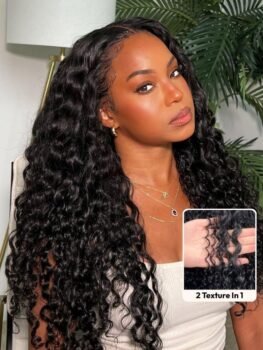
- 180% Density Wig: The quintessential “glam” density. A 180 density wig meaning is volume, body, and luxury. It’s the ideal choice for longer wigs (over 20 inches) and curly or deep wave textures that need more hair to look full and not sparse at the ends.
Extra-Heavy Density Wigs (200% – 250%)
Reserved for maximum impact, wigs at 200% or 250% density are exceptionally thick. This is the density you choose when you want the fullest, most voluminous hair possible, often seen on celebrities and for photoshoots. While stunning, these wigs are heavier and require more maintenance.
How Do I Choose the Right Wig Density for Me?

Selecting the perfect density is a personal choice based on several factors. Consider these points to make an informed decision.
1. Consider Your Natural Hair and Face Shape
For the most realistic look, try to match the wig density to your natural hair density.
- Have naturally fine hair? A 100-130% density will look most convincing.
- Have naturally thick hair? A 150-180% density will feel more like your own.
Your face shape also plays a role. Softer, fuller densities (150-180%) can complement square or angular face shapes, while lighter densities (120-150%) can provide a flattering frame for rounder faces.
2. Think About Hair Texture and Style
Different textures carry density differently.
- Straight Hair: Looks fuller even at lower densities. A 130-150% density is often perfect.
- Curly or Coily Hair: Naturally has more volume but can look thin at the ends if the density is too low. A 180% density or higher is usually recommended to achieve a full, luscious look.
3. Match the Density to the Intended Use
Are you wearing the wig for daily work or a special event?
- For Everyday Wear: Lighter densities (120-150%) are generally more comfortable, breathable, and easier to manage.
- For Special Occasions or Styling: Higher densities (180%+) allow for more intricate updos, voluminous curls, and dramatic looks.
You’ve Chosen a Density… Now What?
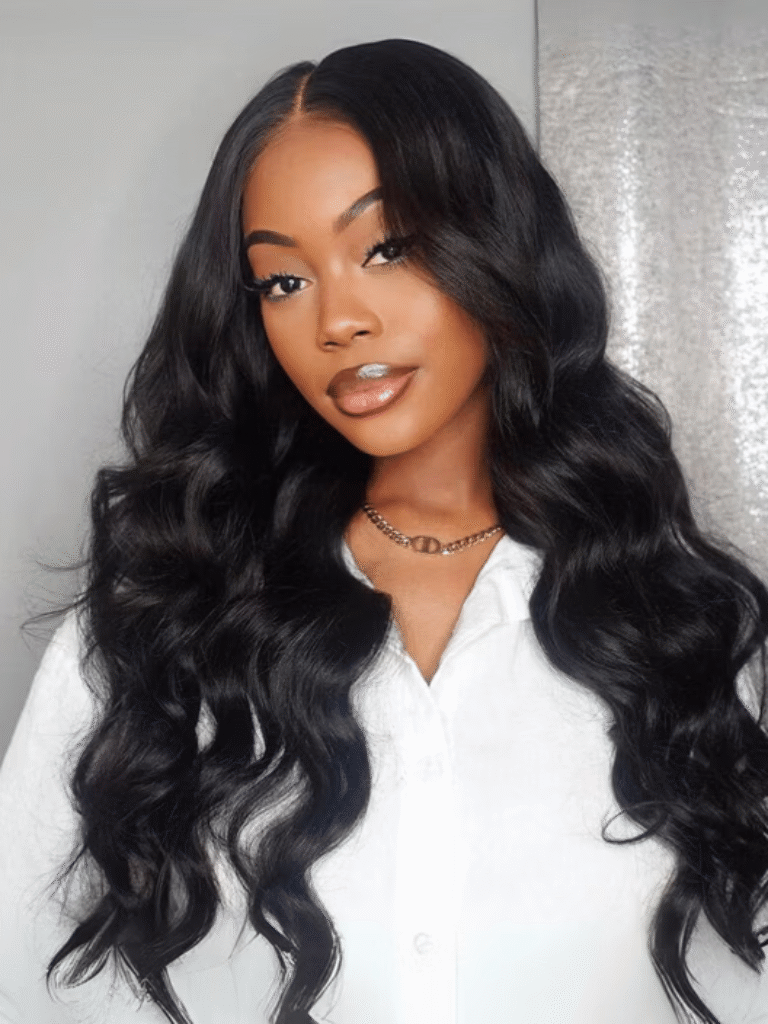
Understanding wig density is the first and most important step in finding the perfect wig. Now that you know the difference between a natural 150% and a glamorous 180%, are you ready to see how they look in the real world and decide which is best for you?
Our other guide provides a direct, side-by-side visual comparison to help you make your final choice.
Ready to see the difference? Check out our complete buyer’s guide: 150% vs. 180% Density Wig: Which Is Best For You?
Frequently Asked Questions (FAQ)
For a natural, everyday look that mimics average hair, 120-130% density is the industry standard. For a slightly fuller, more voluminous style, 150% density is an extremely popular and versatile choice.
A 150% density wig provides a full, natural look that mimics a healthy, thick head of hair. A 180% density wig is noticeably thicker and more voluminous, providing a glamorous “salon blowout” look. 180% is often preferred for long or curly styles.
A 250% density wig is considered extra-heavy or “celebrity” density. It has the maximum amount of hair on the cap for an extremely full, voluminous, and dramatic look. It is the thickest and heaviest option available.
Yes, a 150% density wig is considered a “natural full” look. It is thicker and fuller than an average head of hair (120-130%) but is still very natural-looking and offers great movement and versatility, making it a perfect middle ground for many people.