Most shoppers see a jacket labeled “10,000mm waterproof” and panic. They assume it’s barely protection. Then they find a premium jacket at double the price rated “20,000mm” and think they’ve found the “real deal.” The truth? Most of those higher ratings are marketing theater—and you’re likely wasting money on protection you’ll never need.
This article decodes the waterproof rating system using actual scientific standards and shows you when 10,000mm is genuinely sufficient and when you truly need to spend more. The difference lies not in mystery—but in physics.
What Does “10,000mm” Actually Mean?
The waterproof rating you see on jacket tags comes from a rigorous laboratory test called the hydrostatic head test (defined by international standards AATCC 127 and ISO 811). Here’s how it works: Scientists take a piece of fabric, place it over a water column, and slowly raise the water level until water pushes through. They measure this height in millimeters. That number is your waterproof rating.
The 10,000mm rating means the fabric can withstand the weight of a 10-meter (33-foot) column of water without letting a single drop through. Sounds impressive—because it is. But here’s where most buying guides mislead you: they never explain what this actually means in real-world scenarios.
Dealibrium Pro Tip: The hydrostatic head test measures static pressure only—meaning the lab simulates water pushing down on flat fabric in perfect conditions. Real jackets experience dynamic forces: wind, body movement, and concentrated pressure from sitting or kneeling. That’s why lab ratings and real-world protection diverge.
💰Save More with Our Discounts & Coupons!
Why Real-World Pressure ≠ Lab Pressure
Standing in heavy rain? That’s approximately 500-1,000mm of pressure. Your jacket barely notices. But the moment you sit on a wet log or kneel in mud? You’re now generating 5,000-7,000mm of localized pressure at the contact points. This is why experienced hunters and hikers have a completely different waterproofing philosophy than casual raincoat shoppers.
The gap between “static lab test” and “dynamic real-world use” is massive. A 10,000mm rating handles standing rain with ease. But sustained pressure—like hunting pressure where you sit motionless for hours—requires different thinking.
| Activity Type | Real-World Pressure (approx.) | Required Rating (Safe Margin) | Who Needs This |
|---|---|---|---|
| Casual urban walking, light rain | 500-1,000mm | 5,000mm minimum | City commuters, casual hikers |
| Extended standing in moderate rain | 1,000-2,000mm | 8,000-10,000mm | Day hikers, general outdoor users |
| Sitting on wet surface (log, rock, ground) | 5,000-7,000mm | 10,000-15,000mm | Hunters, fishermen, serious backpackers |
| Extended kneeling in mud/snow | 6,000-8,000mm | 15,000mm+ | Hunters in extreme conditions, mountaineers |
| Sustained pressure in deep snow (hunting tower) | 7,000-10,000mm | 20,000mm+ | Technical hunters, alpine guides, expedition gear |
Why the safe margin? Fabric degrades over time. A jacket rated 20,000mm when new will lose 10-20% of that protection after 20 wash cycles, depending on care. Building in buffer room is smart insurance.
How Waterproof Ratings Degrade (And Why You Can’t Ignore It)
Here’s what most jacket manufacturers won’t tell you: that pristine 10,000mm rating on a brand-new jacket isn’t permanent. Every wash, every season, every exposure to UV light erodes your jacket’s water-repellent finish.
The culprit is called the DWR coating (Durable Water-Repellent finish). This chemical layer sits on top of your fabric and beads water away. It’s not waterproofing—it’s water-repelling. But here’s the problem: DWR is literally designed to be disposable. Manufacturers know it will wear out, so they call it “durable” (meaning it lasts a season or two) rather than “permanent.”
Research on military raincoat fabrics shows that a properly maintained 10,000mm jacket can retain acceptable protection after 20 wash cycles if laundered correctly. The key word: if. Washing in hot water with the wrong detergent accelerates degradation. The solution? Optimal washing (cold water, 3g/L detergent, 20-minute cycle) preserves functionality while removing dirt and extending jacket lifespan.
Once the DWR coating deteriorates, your jacket’s effective rating can drop by 30-50%. This is why experienced outdoor enthusiasts reapply DWR treatment annually—not because they’re obsessive, but because it restores protection that the first season already compromised.
Dealibrium Pro Tip: If you buy a 10,000mm jacket and wash it improperly even three times, you’ve effectively converted it to a 7,000mm jacket. Your buying decision is now obsolete. Budget $30-50 annually for DWR reapplication and cold-water washing to maintain your original rating.
💰Save More with Our Discounts & Coupons!

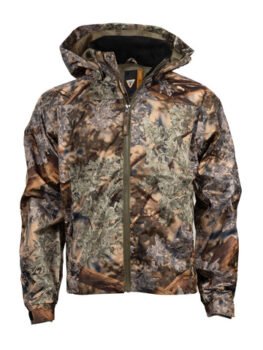
The Real-World Waterproofing Guide: What Rating Do You Actually Need?
Stop comparing numbers. Start comparing use cases. Here’s the honest breakdown:
Less Than 10,000mm: When It’s Enough (Really)
A 5,000-8,000mm jacket handles 90% of casual outdoor activities. Light hiking, walking to work in rain, weekend camping—all within reach. The catch: you’ll get soaked if you sit down. For casual users who move constantly and duck under cover when rain gets serious, this tier saves hundreds of dollars without meaningful compromise.
Who should buy here: Commuters, day hikers, casual outdoor enthusiasts, budget-conscious buyers
Price range: $80-200
Real risk: Saturation if you’re stationary in heavy rain for 2+ hours
10,000mm: The Sweet Spot for Active Outdoor Users
This is the actual workhorse rating. A legitimate 10,000mm jacket (not overstated, not degraded) handles standing rain indefinitely and sustained sitting for 4-6 hours. Serious backpackers, hunters who don’t spend all day in one position, and cold-weather hikers all find this tier adequate.
Why manufacturers love this rating: It’s expensive enough to sound premium (justifying $200-400 price tags) but achievable with common laminated nylon fabrics. They sell perceived quality.
Who should buy here: Backpackers, hunters (non-extreme conditions), serious hikers, serious outdoor enthusiasts
Price range: $150-350
Real-world performance: Excellent for 2-3 seasons with proper care; adequate for 4-5 seasons with DWR reapplication
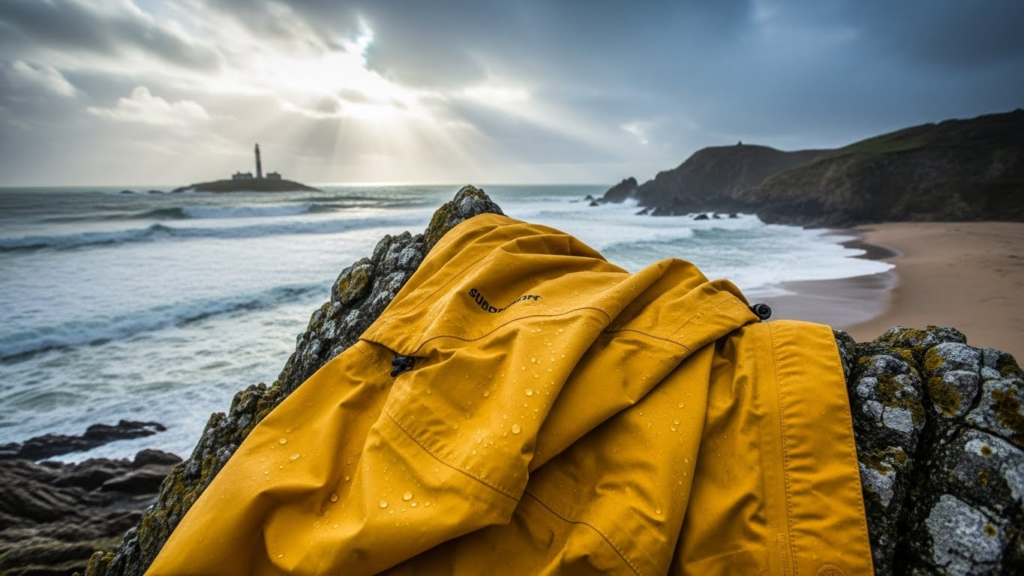
15,000-20,000mm: When Hunting Pressure is Real
This is where the market splits between “marketing” and “necessary.” A true 20,000mm jacket represents genuinely heavy-duty construction—thicker, more durable lamination, superior membrane architecture. These jackets handle:
- All-day sitting in snow without saturation
- Kneeling pressure from climbing or hunting positions
- Sustained water immersion (wading, heavy brush)
- Extended high-pressure scenarios (mountaineering in wet conditions)
The brutal honesty: Most casual users will never generate 15,000mm of sustained pressure. But if your sport involves sitting motionless in wet conditions for 8+ hours, this rating matters.
Who should buy here: Dedicated hunters (all-day sit climbers), mountaineers, backpackers in wet alpine zones, technical outdoor professionals
Price range: $300-650
Real-world performance: 20,000mm jackets maintain 15,000mm+ functionality after 3-4 seasons with proper care
Over 20,000mm: Diminishing Returns (Unless You’re Extreme)
Ratings above 20,000mm exist, but the performance gains become trivial for almost all users. A 20,000mm jacket vs. a 25,000mm jacket? The difference is approximately 2-3% additional protection, not 25%. You’re paying exponentially more for linearly smaller gains.
Exception: Military/expedition/technical professional gear where absolute worst-case scenarios justify premium. For everyone else, this is overkill.
Who should buy here: Military, mountaineers, expedition teams, professional outdoor guides
Price range: $600-1,500+
Real-world performance: Maintained protection in worst-case scenarios; justifiable only for specialized use
💰Save More with Our Discounts & Coupons!
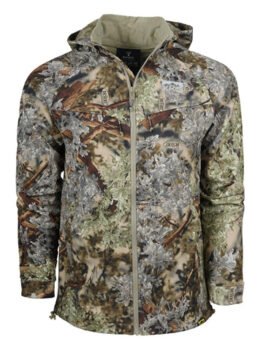

The Dealibrium Take: Your Waterproofing Decision Matrix
| Your Situation | Recommended Rating | Why | Sample Use Case |
|---|---|---|---|
| Live in dry climate (annual rainfall <30 inches) | 5,000-8,000mm | Rarely need peak protection; budget well-spent elsewhere | Phoenix, Denver metro |
| Urban/suburban commuter | 8,000-10,000mm | Occasional serious rain; adequate for movement-based scenarios | Daily walking, park visits |
| Weekend casual hiker (1-3 days/trip) | 10,000mm | Standing rain all day; occasionally sits; most wear occurs in first 2 seasons | Low-altitude trails, moderate seasons |
| Serious backpacker (multi-week trips) | 10,000-15,000mm | Extended humidity exposure; predictable weather; some sitting; gear durability matters over years | Alpine hiking, established trails |
| Hunter (tree stand, blind, or ground hunting) | 15,000-20,000mm | Sustained sitting pressure is your primary threat; you’re generating 6,000-8,000mm pressure; worth the investment | Bow hunting, gun hunting (stationary positions) |
| Mountaineer or technical climber | 15,000-20,000mm | Dynamic pressure from falls, climbing positions, sustained exposure; life depends on gear integrity | Alpine mountaineering, rock climbing in rain |
| Live in wet climate (annual rainfall >60 inches) with heavy field work | 15,000-20,000mm | Year-round saturation risk; reapplication cycles shorter; durability justifies premium | Pacific Northwest hunter, commercial fisherman |
Why You’re Probably Overspending (And What to Actually Buy)
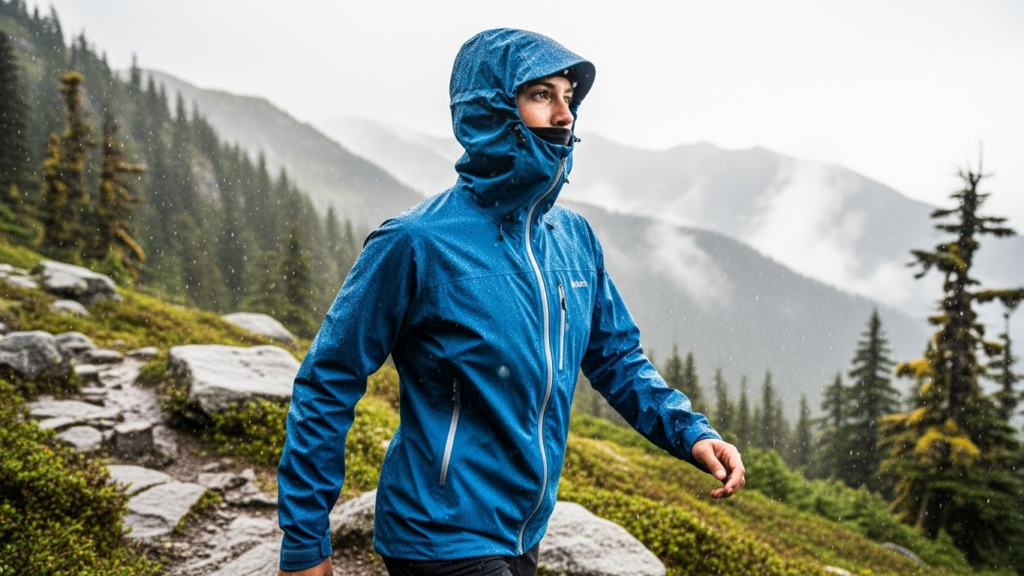
Here’s the uncomfortable truth retailers won’t tell you: Most consumers buy one rating tier too high. The psychological trigger is powerful—you see “only 10,000mm” and think “that sounds weak.” So you upgrade to 15,000mm and rationalize it as “just being safe.” In reality:
- You don’t generate 15,000mm of pressure
- You waste $100-200 on redundant protection
- You buy into marketing narratives instead of physics
The smarter strategy:
- Honest activity audit: Write down your actual use case. Sit? For how long? In what conditions?
- Add a safety buffer: If your analysis says 8,000mm, buy 10,000mm (one tier higher). If it says 10,000mm, buy 12,000-15,000mm. Stop buying two tiers higher.
- Prioritize maintenance: A well-maintained 10,000mm jacket outperforms a neglected 20,000mm jacket after one season. DWR reapplication is cheaper than replacement.
- Consider lifespan economics: Will you use this jacket 5+ years? If yes, buy the higher tier for durability. If 2-3 years, save the money on the lower tier.
FAQ: Waterproofing Questions Solved
Yes—if you’re moving or mostly standing. If you sit on wet ground or against a wet surface, you’ll feel saturation at seams and pressure points after 60-90 minutes. Movement and fabric flex help force water back out; stillness allows it to migrate.
Minimally, if stored properly (cool, dry place away from direct sunlight). UV exposure, temperature extremes, and humidity accelerate degradation more than simple aging. Frequent use + improper washing = your real culprit.
Absolutely. DWR reapplication products ($20-50) restore 80-90% of original performance. This is why experienced outdoors people maintain gear for decades rather than replacing it every few years.
Technically, laminated membranes (like Gore-Tex) are waterproof by definition—water cannot penetrate the material itself. What people call “water-resistant” is actually fabric that repels water temporarily but doesn’t block it architecturally. Lamination is true waterproofing.
You’re experiencing condensation, not leakage. Your body generates moisture; if the jacket’s breathability (vapor permeability) is low, that moisture accumulates inside. Waterproof ≠ breathable. You need both properties, which is why premium jackets balance hydrostatic pressure (10,000-15,000mm) with vapor permeability (10,000+ g/m²/24h).
Key Takeaways: What You Need to Remember
The waterproof rating system is real science, not marketing. But real-world usage is different from lab conditions. A 10,000mm jacket handles 95% of outdoor scenarios; 20,000mm is specialized equipment. Decide your actual use case (Are you sitting or moving? For how long? In what climate?), add a modest safety buffer, and buy once. Then maintain your investment with annual DWR reapplication and proper washing.
Your next jacket purchase should be driven by activity type, not fear of inadequacy. Stop comparing numbers. Start comparing durability and real-world longevity. That’s where your money matters.