Most hunters buy jackets based on insulation and waterproofing, then discover later that the pockets are too shallow, the harness attachment is an afterthought, and the fabric noise cost them a shot at a trophy bull. This article decodes the hunting-specific design features that actually matter—not as cosmetic add-ons, but as functional systems that keep you safe, comfortable, and effective in the field.
Safety harness ports: Non-negotiable for tree stand hunting
A harness port isn’t decorative—it’s a safety-critical design feature that allows a full-body safety harness to sit properly over your jacket without interfering with strap routing or anchor point attachment.
Research on tree stand-related injuries shows that falls remain a persistent cause of severe neurological injury in hunting, with spinal fractures being the most common outcome. A properly fitted safety harness worn with the jacket on is the primary injury prevention mechanism. Yet many hunters either don’t wear harnesses at all, or wear them incorrectly because the jacket doesn’t accommodate them properly.
💰Save More with Our Discounts & Coupons!
Why harness port design matters:
A badly designed or missing harness port forces you to either:
- Wear the harness over your bulky jacket – which distorts the fit and leaves gaps where straps slip, reducing tether effectiveness.
- Wear the harness under your jacket – which compresses insulation, reduces mobility, and makes it harder to fasten/unfasten.
- Skip the harness entirely – which is how most serious falls happen.
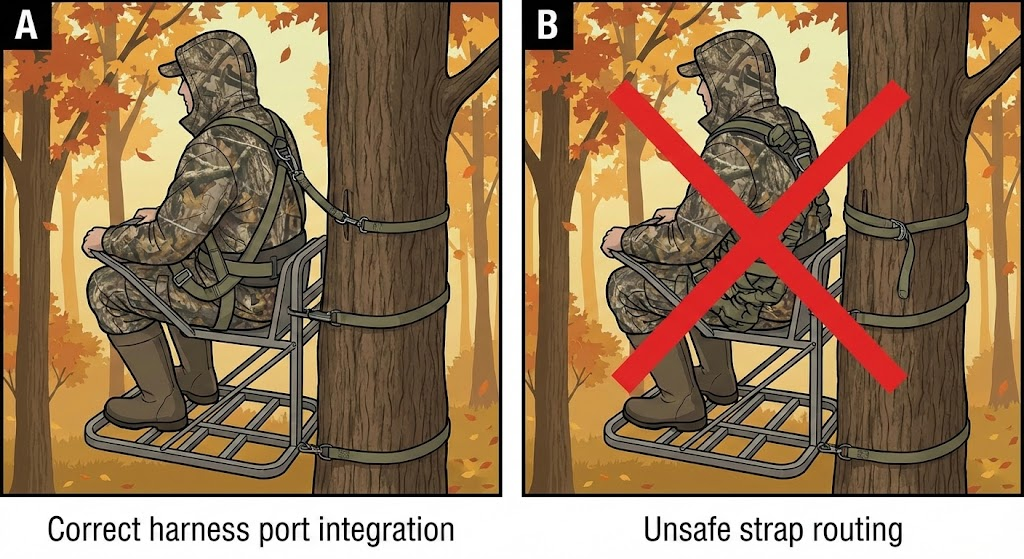
A well-designed harness port creates a cutout large enough for the D-ring or anchor attachment to pass through cleanly while keeping the jacket’s insulation and weather protection intact. This allows the harness to sit on your torso exactly as it should: snug, centered, and fully functional.
What to look for in a harness port:
- Size: Large enough for D-ring passage without forcing or twisting straps.
- Placement: Usually on the upper back or chest, depending on your harness type (full-body vs. waist).
- Reinforcement: Stitched or bonded edges to prevent tearing from repeated harness adjustment.
- Closure mechanism: Some quality jackets include a button or magnetic flap to cover the port when not in use, preserving weatherproofing.
Pro Tip: Before buying any jacket for tree stand hunting, confirm harness port compatibility by trying your harness on with the jacket. If the strap routing feels pinched or the D-ring doesn’t sit right, keep searching.
Bowhunters live in a paradox: they need maximum warmth and weatherproofing but cannot afford the “swish” noise that hard shells create when drawing a bow or moving through brush.
Research on soft shell construction and material properties shows that brushed tricot linings (common in soft shells) have acoustic properties that reduce noise compared to hard laminated membranes. While hard shells might be 10–15 decibels louder during movement, brushed-tricot soft shells stay quieter because the fabric doesn’t produce the crinkle sound that stiff membranes do.
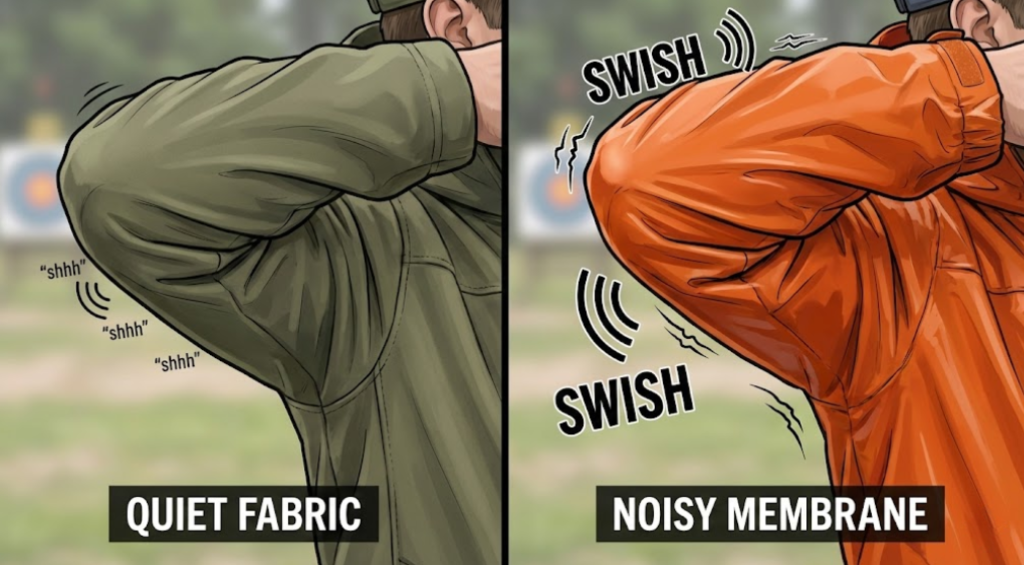
How brushed tricot works:
- Soft, porous structure absorbs sound rather than reflecting it.
- Low fabric stiffness means movement flexes the material without creating crinkle.
- Nap texture breaks up air currents that would otherwise make noise.
The trade-off? Reduced waterproofing compared to hard shells (typically 5,000–10,000mm vs. 15,000–20,000mm). But for bowhunting, where silence beats dry in most scenarios, this is an acceptable loss.
For rifle hunting, noise matters less because:
- Movement to the stand is usually slow and deliberate.
- You’re often stationary in a blind or tree stand.
- Animals farther away have less chance to hear minor fabric noise.
So rifle hunters can use hard shells without sacrificing their hunt. Bowhunters need soft shells—or a layering system that pairs a quiet soft shell with a hard shell rain parka in reserve.
Pro Tip: Bowhunters: test jacket noise yourself before buying. Draw your bow in the jacket, move through brush, and listen critically. What sounds quiet in a store might sound loud when adrenaline is running and the only thing between you and your hunt is silence.
💰Save More with Our Discounts & Coupons!
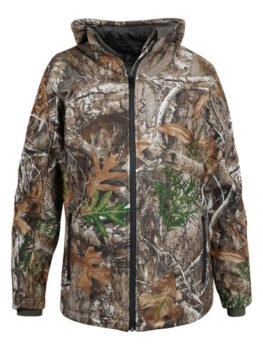
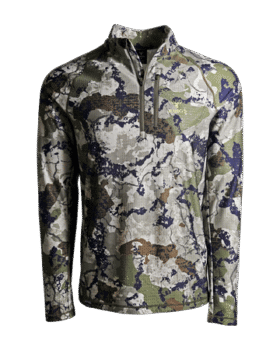
Pocket placement and storage capacity: Field utility wins or loses the hunt
Most jacket pockets are designed for urban comfort, not field functionality. Research on protective clothing design and ergonomic pocket placement shows that pocket location, size, and security dramatically affect a user’s ability to carry and access gear efficiently.
For hunters, pockets must:
- Be large enough for real field items (rangefinder, calls, ammunition, hand warmers, etc.)
- Secure against loss (zippers or strong closures, preferably waterproof)
- Be placed where you can access them without removing the jacket
- Not interfere with harness straps or bow draw
Poor pocket design kills efficiency:
- Too small: Can’t fit a rangefinder or a full handful of ammunition.
- Too low: Requires removing your jacket in cold, or reaching awkwardly.
- No zipper: Items fall out while climbing to a stand or navigating brush.
- Interior pockets only: Unreachable when you’re fully geared up with a pack and harness.
What quality hunting jackets provide:
- Chest pockets (usually fleece-lined for hand warmth and small-item storage)
- Hand warmer pockets (lower on torso, insulated, deep enough for full hands or gear)
- Inside security pockets (zipped, for valuable items like hunting license or knife)
- Magazine/call pockets (specific slots for ammunition or predator calls, often with retention)
The best hunting jackets use staggered pocket placement: upper pockets for quick access items, lower pockets for warmth and bulk storage, internal pockets for security.
Mobility and freedom of movement: Why sleeve design matters
Hunting demands precise positioning—drawing a bow, shouldering a rifle, climbing with gear—none of which work well in a stiff jacket.
Research on ergonomic clothing design for mobility-heavy activities shows that arm mobility depends critically on sleeve seam placement, armhole depth, and fabric stretch properties. A jacket that fits your torso perfectly might still restrict your arm movement if the seams are positioned wrong.
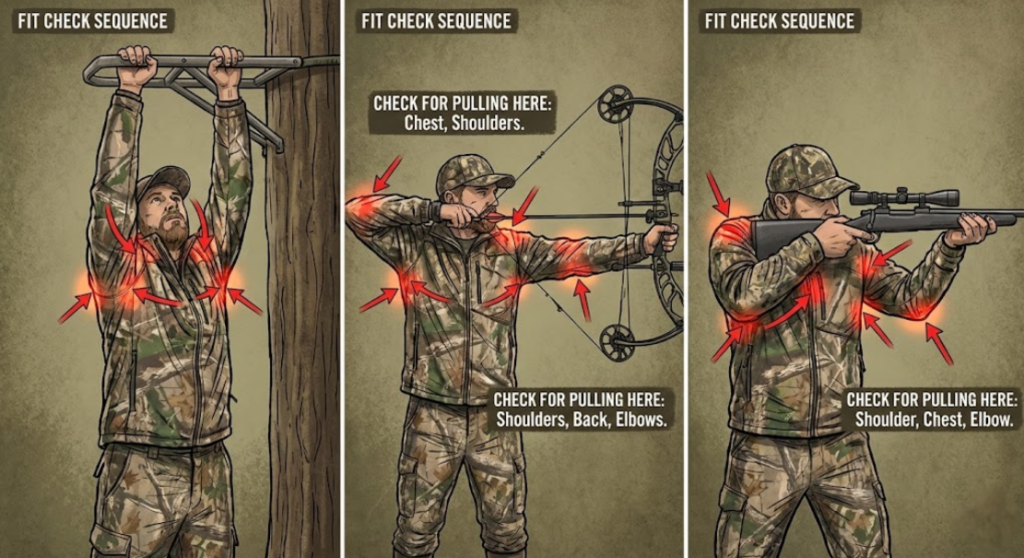
Key mobility features in hunting jackets:
- Dropped armhole: Allows shoulder mobility without bunching fabric across the chest.
- Gusseted underarms: Extra fabric reduces tension during reaching and drawing motions.
- Stretch or articulated sleeves: Synthetic blends or designs that move with you, not against you.
- Short or cropped length: Keeps the hem from bunching around your waist when you reach or climb.
For bowhunters especially, testing draw motion is mandatory. If the jacket pulls across the chest or restricts shoulder rotation, it’s disqualifying—regardless of warmth or waterproofing.
Blaze orange vs. camouflage: Balancing safety and efficacy
Most hunting regulations require visible blaze orange (also called hunter orange) on your upper body, but many hunters treat this as an afterthought they grudgingly add via an ugly vest or arm band.
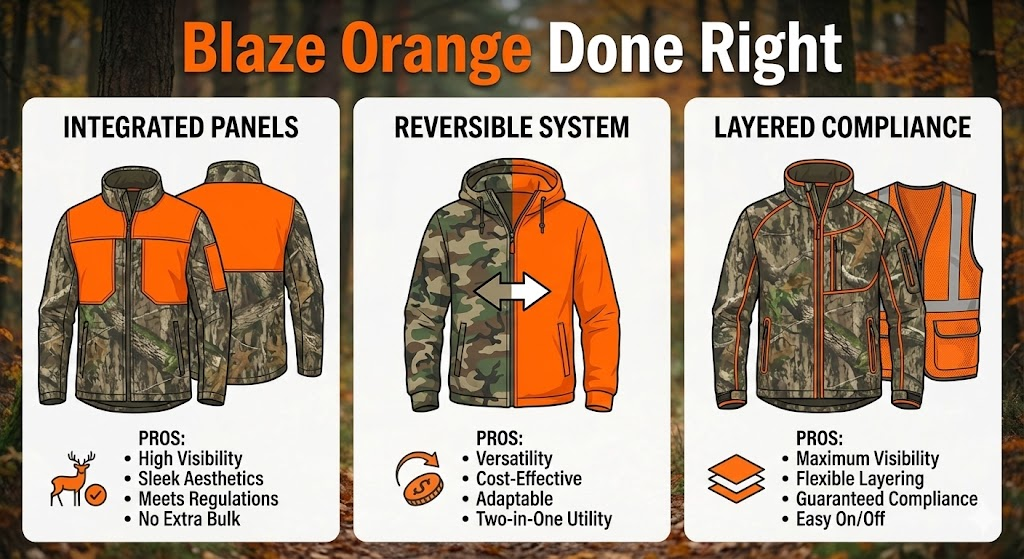
The better strategy: Buy a jacket that incorporates blaze orange intentionally.
Quality hunting jackets achieve this in several ways:
- Integrated blaze panels – Large, visible sections (shoulders, back, chest) in blaze orange, designed as part of the jacket aesthetic.
- Reversible design – Camouflage on one side, blaze orange on the other; switch depending on wind and visibility.
- Blaze trim or accents – Collar, seams, or pocket trim in blaze orange while keeping most of the jacket camo.
This approach keeps you visible to other hunters (critical for safety) while maintaining camouflage effectiveness toward your quarry. A deer sees blaze orange poorly compared to visible light humans see; they’re primarily vision-sensitive to UV and movement.
Pro Tip: Prioritize safety regulations absolutely. No trophy is worth a hunting accident. Buy a jacket that either integrates blaze orange beautifully or be prepared to wear a separate blaze harness; don’t cheap out on visibility.
💰Save More with Our Discounts & Coupons!
Dealibrium Take: Hunting jacket feature checklist
Here’s how to evaluate a hunting jacket for hunting-specific functionality, not just warmth and waterproofing:
| Feature | Priority | What to Look For | Why It Matters |
|---|---|---|---|
| Harness port | Critical (tree stand) / Optional (ground) | Reinforced cutout; proper D-ring passage; strategic placement | Safety; allows proper harness fit without compromise |
| Quiet fabric | High (bowhunting) / Low (rifle) | Brushed tricot or soft shell; test noise during arm movement | Silence can mean the difference between a tag and an empty folder |
| Pocket security | High | Zippers, snap closures, internal pockets; accessible when fully geared | Field-tested storage prevents gear loss and improves efficiency |
| Pocket placement | High | Staggered (upper for quick access, lower for warmth/bulk) | Ergonomic access improves functionality and reduces frustration |
| Sleeve mobility | High | Dropped armhole, gusseted underarms, stretch fabric; test draw motion | Freedom of movement is non-negotiable for accurate shooting |
| Blaze orange | Critical (legal requirement) | Integrated panels or reversible design; large visible areas | Mandated for safety; well-designed integration beats separate vests |
| Harness compatibility | Critical (tree stand) | Test with your specific harness before purchase | Prevents harness failure or improper fit that reduces safety |
Dealibrium Take:
- For tree stand hunters: Safety harness compatibility is non-negotiable. Buy jackets specifically designed for harness use; test them with your harness before leaving the store.
- For bowhunters: Quiet fabric (soft shells) often outweighs waterproofing benefits. Test the jacket’s noise during draw and movement.
- For all hunters: Blaze orange integration should be intentional and beautiful, not an afterthought. Visible safety saves lives.
Frequently Asked Questions
You can, but you’ll compromise on multiple fronts. Regular outdoor jackets lack harness ports, have poor pocket placement for field gear, and rarely integrate blaze orange thoughtfully. Hunting jackets are designed around actual hunting logistics, not general hiking.
Soft shells are measurably quieter than hard shells due to brushed tricot lining and reduced fabric stiffness. For bowhunting, the noise difference can matter—test it yourself before deciding. If you hunt in mixed weather (rain-prone), a soft shell with a hard shell backup is the smarter system.
Not critical for ground hunting, but valuable as a future-proofing feature. If you ever transition to tree stand hunting, having a good harness port already in place saves money and ensures a safe transition.
Requirements vary by state and season, but most require blaze orange on your upper body (hat, jacket, or vest). Check your state’s hunting regulations. Some seasons and areas allow camouflage-only clothing, but most don’t. Never gamble on this; always wear what your state requires.
No—but you need excellent breathability so moisture doesn’t accumulate under your shell. A well-designed soft shell hunting jacket paired with a hard shell rain parka is the ideal system: soft shell for comfort and quiet, hard shell for true downpours.
Key Takeaways: Hunt-Specific Features Aren’t Luxury—They’re Necessity
A warm, waterproof jacket is the starting point for hunting success, not the ending point. Harness ports keep you safe. Quiet fabric keeps you silent. Smart pockets keep you efficient. Mobility features keep you accurate. These aren’t marketing gimmicks; they’re the difference between a successful hunt and a costly failure—or worse, a serious injury.
When evaluating hunting jackets, spend 50% of your mental energy on warmth/waterproofing and 50% on hunting-specific functionality. A mediocre-warmth jacket with perfect harness ports, quiet fabric, and smart pockets will outperform a premium-warmth jacket that ignores these features.
Most importantly: test everything with your actual hunting equipment—your harness, your bow or rifle, your rangefinder—before you buy. The best jacket in the world fails if it doesn’t work with your specific setup.