Introduction
Drones, also known as unmanned aerial vehicles (UAVs), have rapidly moved from niche technology to mainstream tools, revolutionizing industries and capturing the imagination of hobbyists alike. From breathtaking aerial photography and videography to critical applications in precision agriculture and surveillance, drones offer innovative solutions across countless sectors. This surge in popularity is fueled by remarkable advancements in drone technology, particularly in intelligent flight systems, sophisticated sensors, and increasingly user-friendly interfaces. As drone features become more advanced and accessible, understanding them is key whether you’re a seasoned professional or considering your first purchase.
This comprehensive guide explores the essential drone features that enhance functionality, improve user experience, and ultimately define what a drone is capable of achieving.
| If You Are a… | Your Main Goal Is… | Your 3 Must-Have Features Are… |
| Hobbyist / Beginner | Fun, safe flying and good photos | 1. GPS, 2. Return-to-Home (RTH), 3. A 3-Axis Gimbal |
| Photographer / Videographer | Professional-quality cinematic shots | 1. A 1-Inch (or larger) Sensor, 2. 4K/60fps Video, 3. 3-Axis Gimbal |
| Traveler / Hiker | Portability and easy setup | 1. A Foldable Design, 2. Lightweight Body (under 250g if possible), 3. Good Flight Time |
Why Drone Features Matter: Enhancing Functionality and User Experience
Understanding a drone’s features is the most crucial step in making an informed purchase. Every aspect of a drone’s performance, safety, and ease of use is dictated by its feature set.
The ability to capture stunning, professional photos depends on the camera and gimbal features. A drone that can reliably return to you after losing signal has a vital safety feature like Return-to-Home. The power to autonomously follow a complex flight path for mapping comes from its intelligent flight modes.
Whether for creative projects, professional work, or the simple joy of flying, knowing what each feature does is the first step in unlocking your drone’s full potential.
Essential Navigation and Control Features for Drones
GPS Navigation: The Foundation of Stable Flight
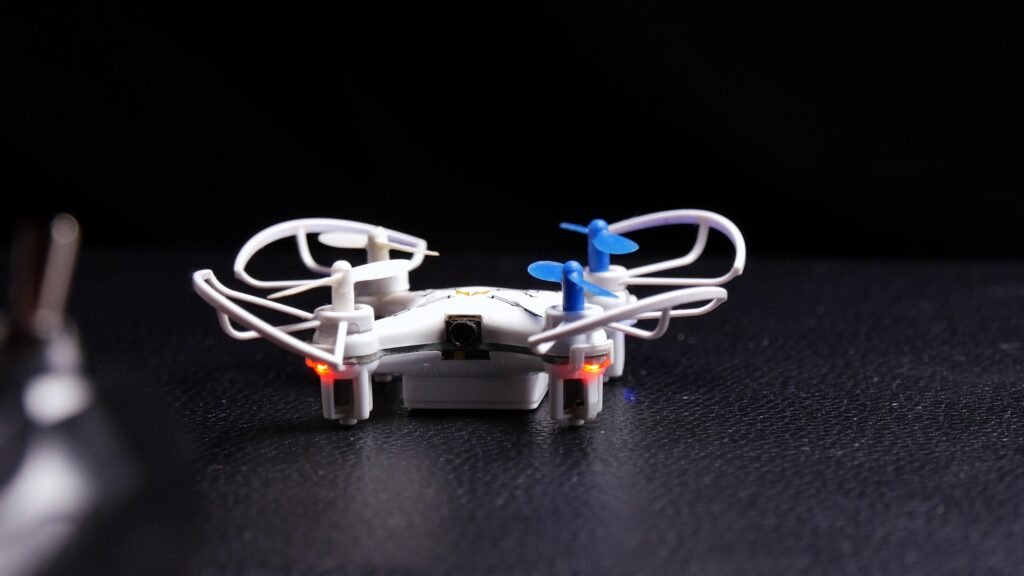
At the heart of modern drone control lies GPS navigation. This fundamental feature allows drones to precisely determine their location and maintain stability and precision during flight. By utilizing satellite signals, GPS navigation enables drones to hover accurately, hold their position in windy conditions, and follow pre-planned routes with remarkable precision. For users, this translates to smoother flights, more stable video recording, and increased confidence in controlling their aircraft.
Beyond basic positioning, GPS is crucial for more advanced navigation features like waypoint navigation. This allows pilots to program specific GPS coordinates into the drone, creating automated flight paths ideal for surveying, inspections, or capturing cinematic fly-by shots.
Intelligent Return-to-Home (RTH): Your Safety Net in the Sky
One of the most vital safety features is Return-to-Home (RTH). Think of RTH as your drone’s emergency backup plan. When the battery gets critically low or the control signal is lost, RTH automatically activates, telling the drone to fly back to its pre-recorded takeoff point. This feature dramatically reduces the risk of losing your investment and provides critical peace of mind.
Modern RTH systems are incredibly sophisticated, allowing users to customize the return altitude to ensure the drone flies up and over potential obstacles like trees and buildings on its way home.
Pro Tip: Always double-check your Return-to-Home (RTH) altitude setting before each flight. Set it higher than the tallest obstacle in your area (like trees or light posts). This simple step has saved countless drones from crashing into objects during their autonomous return flight.
Beginner Mode: Ease of Use for New Pilots
Understanding that learning to fly a drone has a learning curve, manufacturers often include a Beginner Mode. This invaluable feature is specifically designed to make the initial flying experience less daunting for novices. Beginner Mode typically limits the drone’s flight speed and range, reduces control sensitivity, and often activates additional stability assistance.
By constraining the drone’s operational parameters, Beginner Mode allows new pilots to focus on learning the basics of drone control in a safe and manageable environment. It minimizes the chances of accidental crashes and allows users to gradually build confidence and familiarity before unlocking the full potential of their drone’s features.
Prioritizing Safety: Key Drone Safety Features
Obstacle Avoidance: Sensing and Avoiding Collisions
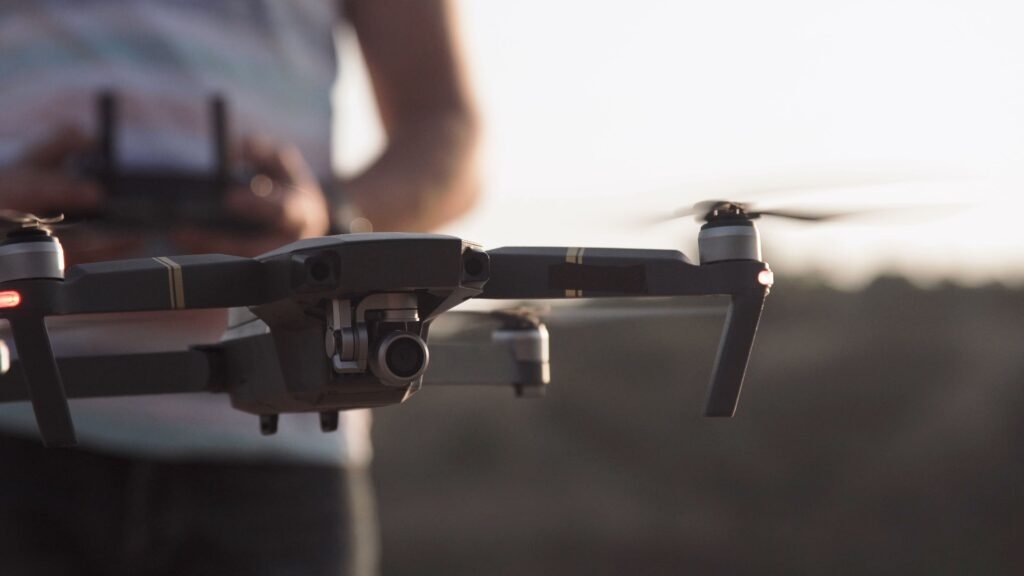
Obstacle avoidance is a cutting-edge safety feature that acts as your drone’s eyes. It uses a suite of advanced vision, ultrasonic, and infrared sensors to perceive its surroundings in three dimensions.
These sensors constantly feed data to intelligent algorithms, allowing the drone to detect and autonomously steer around trees, buildings, and other obstacles in its path. This technology dramatically reduces the risk of collisions, especially when flying in complex environments, and is a must-have feature for protecting your investment.
Geo-fencing: Creating Virtual Boundaries for Safe Flight
Another critical safety feature is geo-fencing (fail-safe mechanisms). Geo-fencing allows users to define virtual boundaries in the drone’s flight software, essentially creating invisible fences in the sky. This feature is incredibly useful for preventing drones from flying into restricted airspace, near airports, or over pre-defined property limits.
By setting up a geo-fence, you ensure your drone remains within a safe and permitted flight zone. If the drone approaches or reaches the virtual boundary, it will automatically stop or return, preventing accidental excursions and contributing to responsible drone operation. Geo-fencing is a proactive safety measure that is especially valuable in urban or regulated environments.
Capturing Stunning Visuals: Camera and Imaging Features
High-Resolution Camera Quality: Crisp Images and Detailed Videos
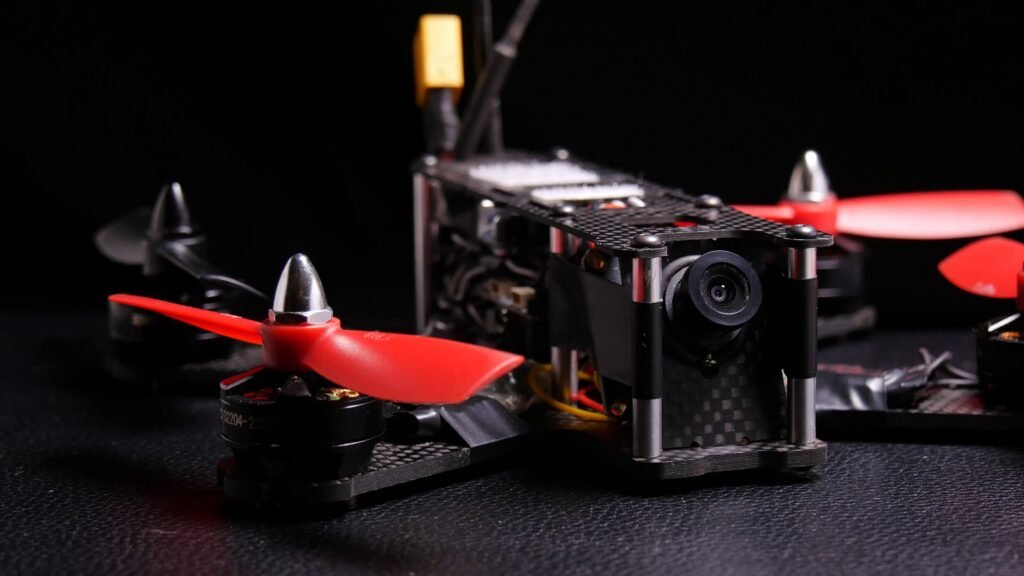
For many users, especially those interested in aerial photography and videography, camera quality is a primary concern. Modern drones boast impressive camera features, with high-resolution cameras providing stunning aerial imagery. Camera resolution, measured in megapixels, directly impacts the level of detail a camera can capture. Look for drones capable of shooting in at least 4K resolution for professional-looking videos and detailed still photographs.
Beyond resolution, sensor size, lens quality, and image processing capabilities also play significant roles in overall camera quality. Features like adjustable aperture, ISO control, and various shooting modes further enhance creative possibilities for aerial visual content creation.
Gimbal Stabilization: Smooth and Professional Footage
Even the best drone camera is susceptible to vibrations and jerky movements during flight. That’s where gimbal stabilization comes in (design variability). A gimbal is a mechanical system that isolates the camera from the drone’s movements, using motors and sensors to keep the camera perfectly level and steady regardless of how the drone is flying.
Gimbal stabilization is essential for capturing smooth, cinematic video footage and sharp, blur-free still images. Most modern camera drones utilize 3-axis gimbals, which stabilize the camera across pitch, roll, and yaw axes, delivering incredibly stable results even in windy conditions or during dynamic flight maneuvers. This feature is what separates amateur aerial footage from professional-grade visuals.
Thermal Imaging: Expanding Drone Applications Beyond Sight
While most consumer drones focus on standard visual cameras, some advanced models are equipped with thermal imaging capabilities (drone capabilities designs and uses). Thermal imaging cameras detect heat signatures rather than visible light, allowing drones to “see” in darkness, smoke, or through certain types of foliage.
Thermal imaging expands drone applications far beyond photography and videography. It’s invaluable for search and rescue operations (locating people or animals), infrastructure inspections (detecting heat leaks or electrical hotspots), environmental monitoring (observing wildlife), and even precision agriculture (identifying plant stress based on temperature variations). While often found on more specialized drones, thermal imaging showcases the diverse potential of drone features beyond visual capture.
Power and Performance: Features Impacting Flight and Operation
Flight Time and Battery Life: Staying Airborne Longer
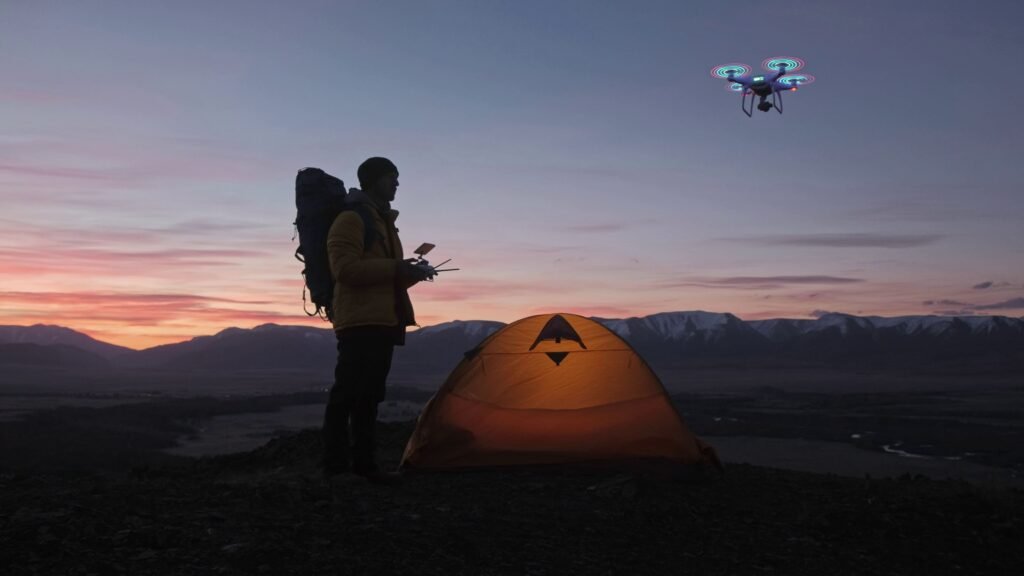
A primary practical concern for any pilot is flight time—how long a drone can stay airborne on a single battery charge. Longer flight times mean more opportunity for capturing footage, conducting inspections, or simply enjoying the experience without constant interruptions.
Flight time is directly impacted by battery capacity, drone weight, and wind conditions. Modern drones use smart batteries with optimized energy management systems to maximize every minute in the air. While brands advertise a maximum flight time, real-world conditions always play a role.
From Experience: Remember that cold weather significantly reduces battery performance. If you’re flying in winter, expect your flight time to be 20-30% shorter than the advertised time. It’s always a good idea to land when your battery reaches 25% to be safe.
Range and Connectivity: Exploring Further Distances
Range and connectivity define how far a drone can operate over ranges exceeding 5,000 meters from the pilot’s controller. Range is determined by the strength and reliability of the communication link between the drone and the remote control, which is typically achieved through radio signals or enhanced Wi-Fi. A greater range expands the operational possibilities, allowing for flights over larger areas and in more remote locations.
Factors affecting range include signal interference, environmental obstacles, and regulatory limitations. Manufacturers often specify a maximum control range for their drones, but it’s crucial to understand that real-world range can vary. Reliable connectivity is essential for maintaining control and receiving real-time video feedback (FPV – First Person View) during flight.
Payload Capacity: Carrying Equipment and Cargo
While many consumer drones are designed primarily for cameras, payload capacity becomes a critical feature for professional and industrial applications. Payload capacity refers to the maximum weight a drone can carry in addition to its own components. This feature dictates the types of equipment or cargo a drone can lift, such as specialized sensors, delivery packages, or inspection tools.
Drones with higher payload capacities are used in diverse fields like agriculture (spraying systems), construction (lifting tools), and logistics (package delivery). The design and power of the drone, particularly its motors and frame, directly influence its payload capacity. For users needing to carry more than just a camera, payload capacity is a key specification to consider.
Intelligent and Autonomous Features: The Future of Drones
Object Tracking: Keeping Subjects in Focus, Automatically
Object tracking is an advanced intelligent feature that brings a new level of automation to aerial filming and tracking (smart features in drones). With object tracking, you can select a subject – a person, vehicle, or object – and the drone will autonomously follow it, keeping it centered in the frame.
This feature is powered by computer vision and AI algorithms that allow the drone to recognize and dynamically track the chosen subject, even as it moves. Object tracking simplifies complex filming scenarios, enabling users to capture dynamic shots of moving subjects without requiring expert piloting skills. It’s perfect for following athletes, vehicles, or even wildlife from the air, adding a professional touch to aerial videography.
Gesture Control: Intuitive and Hands-Free Operation
For an extra touch of user-friendliness and a futuristic feel, some drones incorporate gesture control (smart features in drones). Gesture control allows you to control certain drone functions using hand gestures recognized by the drone’s onboard camera. Common gesture control features include taking photos, starting/stopping video recording, and even directing the drone to move in certain directions (within a limited range).
Gesture control provides an incredibly intuitive and often fun way to interact with your drone. It’s especially convenient for capturing selfies or group photos without needing to hold the remote controller. While generally a supplementary control method rather than the primary one, gesture control showcases the innovative user-friendly features being integrated into modern drones.
Autonomous Flight Modes: Pre-Programmed Flight and Tasks
Pushing the boundaries of automation further, autonomous flight modes represent the pinnacle of intelligent drone features (smart features in drones). These modes enable drones to execute complex flight maneuvers and tasks with minimal or no direct pilot input after initial setup. Examples of autonomous flight modes include:
- Circle Mode: The drone automatically orbits a chosen point of interest, keeping the camera focused on it – perfect for panoramic shots.
- Follow Me Mode: Similar to object tracking but often relying on GPS, the drone follows the pilot’s location (determined by their smartphone or controller).
- Pre-programmed Missions: Users can plan detailed flight paths with multiple waypoints, specifying altitude, speed, and camera actions at each point – ideal for mapping, inspections, and repeatable data collection tasks.
Autonomous flight modes significantly expand the capabilities of drones, enabling them to perform sophisticated tasks with ease and precision. They demonstrate the ongoing evolution of drone features towards increasingly intelligent and automated aerial solutions.
How to Choose the Right Drone for You: A 7-Point Checklist
With so many models and features, choosing your first or next drone can feel overwhelming. To make an informed decision, start by asking yourself one simple question: “What is my primary goal?” Use this 7-point checklist to match the drone’s features to your specific needs.
- Define Your Purpose First
Before you look at any specs, define your mission. Your primary use case—whether it’s professional aerial videography, casual weekend flying, or commercial work like real estate inspections—is the single most important factor that will guide your decision. A photographer, for instance, must prioritize the camera system, while a surveyor will need precise waypoint navigation. By clearly defining your goal first, the most critical features will immediately become clear.
- Prioritize Camera & Imaging Features
If your goal is creating stunning visuals, the camera system is non-negotiable. Look for a drone that shoots in at least 4K resolution and has a 3-axis gimbal to ensure your footage is smooth and professional. For better performance in low light, a larger image sensor (like 1-inch or 4/3-inch) is a crucial feature. More specialized drones may also offer thermal imaging for applications like search and rescue.
- Insist on Key Navigation and Safety Features
For a safe and stress-free flying experience, certain features are must-haves. Insist on a drone with GPS navigation for stable hovering and wind resistance. A Return-to-Home (RTH) function is your most important failsafe, automatically bringing the drone back if the battery is low or the signal is lost. Obstacle avoidance is the next critical layer, using sensors to prevent crashes, while Beginner Mode provides a safe way for new pilots to learn by limiting speed and range.
- Demand a Decent Flight Time
A longer flight time means more opportunity for creativity and exploration. Aim for a drone that offers 25 minutes or more of flight time per battery. Anything less can feel rushed, as a significant portion of your time is spent on takeoff and landing. Remember that factors like cold weather can significantly reduce battery performance, so it’s always wise to land with at least 25% battery remaining.
- Look for Intelligent & Autonomous Features
“Smart” features automate complex shots, making your videos more cinematic. Look for Object Tracking or Follow Me Mode, which allow the drone to autonomously follow a subject. More advanced modes like Circle Mode (orbiting a point) or Waypoint Navigation (flying a pre-set path) can execute sophisticated maneuvers for you. Gesture Control is another fun feature for hands-free selfies.
- Match Portability and Range to Your Lifestyle
Consider where and how you will be flying your drone. If you plan to travel, hike, or move around frequently, a compact, foldable drone is essential for easy transport. In terms of range, while some drones boast several miles, a reliable transmission range of 1-2 miles is more than enough for most pilots who must legally keep their drone within their visual line of sight.
- Budget for Value, Not Just a Low Price
With drones, you get what you pay for. The biggest mistake beginners make is buying a cheap, toy-grade drone under $150, as they lack crucial features like GPS and are very difficult to fly. A realistic starting point for a reliable drone with essential safety features is the 300-500 range. Finally, remember to budget for a “Fly More Combo” with extra batteries, a fast microSD card, and a carrying case to complete your kit.
Frequently Asked Questions About Drone Features (FAQ)
For most users, key features include good camera quality (at least 4K), reliable GPS and Return-to-Home, sufficient flight time (20+ minutes is ideal), and relevant safety features like obstacle avoidance. Beginner-friendliness is also crucial for new pilots. Your specific “must-have” features depend on your intended use and budget.
Drones are unique due to their ability to fly autonomously and access aerial perspectives. Special features include intelligent flight modes (like object tracking and waypoint navigation), advanced sensors (like thermal cameras and obstacle avoidance), and their increasing portability and ease of use compared to traditional aircraft.
Obstacle avoidance systems use a combination of sensors (vision, ultrasonic, infrared) to “see” their surroundings. These sensors feed data to onboard processors and algorithms that interpret the environment and instruct the drone to autonomously steer around obstacles in real-time, preventing collisions.
Advertised flight times vary widely, typically from 15 to 30+ minutes for consumer drones. Flight time is directly dependent on battery capacity and efficiency. Real-world flight times can be slightly less than advertised due to wind, flying style, and feature usage. Aim for a drone with at least 20 minutes of flight time for a better experience.
Safety features like RTH and geo-fencing are highly recommended and considered necessary, especially for beginners and for flying in areas with potential risks. RTH is a crucial failsafe to prevent drone loss, and geo-fencing helps ensure you fly within safe and legal boundaries. They are not just “nice to have” – they contribute significantly to responsible and safe drone operation.
Must-have features for beginner drones include: Beginner Mode (speed and range limits), GPS for stable hovering, Return-to-Home (RTH), and user-friendly controls and apps. While obstacle avoidance is great, it’s often found on slightly more expensive models; prioritize the other features first for a safe and enjoyable learning experience.
Conclusion: Embracing the Feature-Rich World of Drones
From basic GPS and stable flight to advanced obstacle avoidance, intelligent tracking, and high-resolution cameras, the features in drones have transformed them into incredibly versatile tools. Understanding these drone features is essential for anyone wanting to purchase, operate, or simply appreciate the capabilities of these remarkable flying machines. As technology continues to advance, we can expect even more innovative features to emerge, further expanding the horizons of what drones can achieve and solidifying their place in numerous aspects of our lives.
Explore Dealibrium’s deals to discover the latest drone models and deals. Share this guide with anyone interested in learning more about the exciting world of drone features!