You just unboxed your new drone. The feeling is electric. But then, a thought creeps in: what if it crashes? For recreational pilots, understanding the ins and outs of drone insurance for a hobbyist is the key to flying with confidence instead of financial anxiety. This guide will walk you through everything you need to know, from liability coverage to FAA rules, to help you find the best protection.
Do I Need Drone Insurance for Recreational Use?
💰Save More with Our Discounts & Coupons!
This is the most common question, and the answer has two parts: the legal requirement and the practical reality.
Legally, the FAA does not require drone insurance for recreational use. Unlike car insurance, there is no federal mandate forcing you to buy a policy to fly for fun.
However, many state or city parks will not allow you to launch a drone unless you can provide proof of liability coverage. From a financial standpoint, a solid drone insurance for hobbyist policy is highly recommended. A simple accident can result in thousands of dollars in damages, and without insurance, you are personally responsible for every cent.
Are Drones Covered by My Homeowners Insurance?
This is a critical point that trips up many drone owners. Most people assume their homeowners insurance policy will cover them. In most cases, this is not true.
While every homeowners insurance policy is different, they often have specific exclusions for aircraft, and the FAA classifies drones as aircraft.
- Liability Coverage: Your homeowners policy might offer some liability coverage if your drone causes injury or property damage. However, many insurers are now adding specific drone exclusions.
- Property (Hull) Coverage: It is extremely unlikely that your homeowners insurance will pay to replace or repair your drone if it’s damaged.
Key Takeaway: Never assume your homeowners policy covers your drone. Call your insurance agent and ask for written confirmation regarding coverage for a recreational unmanned aerial vehicle.
Understanding Drone Insurance for a Hobbyist
💰Save More with Our Discounts & Coupons!
When you start looking at policies, you’ll see two main types of coverage. Understanding the difference is key to getting the protection you actually need from your drone insurance for hobbyist plan.
1. Liability Insurance
Liability insurance is the most important coverage for a recreational flyer. It does not cover your drone. Instead, it covers the costs if you cause damage to other people’s property or injure a person, including legal fees, medical bills, and repair costs.
2. Hull Insurance
Hull insurance covers physical damage to the drone itself. If you crash your drone and it breaks, hull coverage pays for repairs or replacement. This is especially important if you’ve invested in an expensive drone for drone photography.
How Much Does Recreational Drone Insurance Cost?
The cost of hobby drone insurance depends on the type of policy you choose and the coverage you need. For a recreational pilot, there are two main options:
- Annual Policies: These are great for frequent flyers. A good liability-only policy might cost between $75 and $150 per year.
- On-Demand Insurance: This is a popular option for infrequent flyers. Apps like SkyWatch.AI allow you to buy insurance by the hour, often starting around $10-$15 per hour for liability.
Pro-Tip for Saving Money: If you only fly a few times a month, on-demand insurance is almost always cheaper than an annual policy. It’s the perfect way to get protected without a big upfront cost.
Who Has the Best Drone Insurance?
The “best” provider depends on your needs, but most recreational flyers find success with one of these three models:
- Specialty Aviation Insurers (e.g., BWI Fly): Best for comprehensive annual policies.
- On-Demand App-Based Insurance (e.g., SkyWatch.AI): The go-to choice for flexibility and on-demand liability insurance.
- Manufacturer Care Plans (e.g., DJI Care Refresh): This is not true insurance. It’s a protection plan that only provides hull coverage for your drone. You would still need a separate liability policy.
Essential FAA Rules for Recreational Flyers
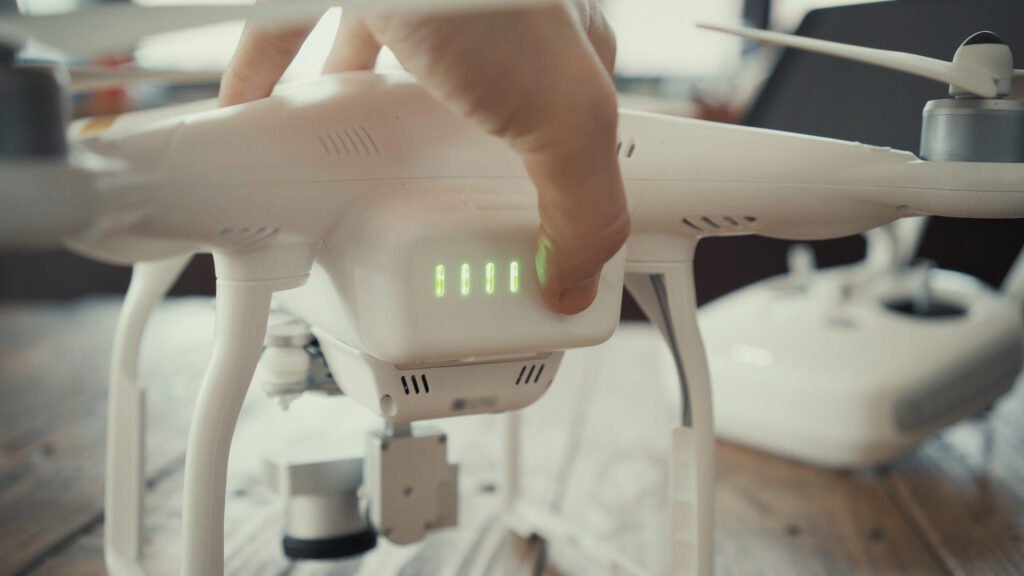
Having insurance is only half the battle. If you break FAA rules during an accident, your claim could be denied. Here are the non-negotiable rules.
What Counts as Recreational Drone Use?
💰Save More with Our Discounts & Coupons!
Flying purely for fun is recreational. The moment you are paid for your work, it becomes commercial use and requires a Part 107 license and commercial insurance.
Drone Registration & The TRUST Test
You must register any drone weighing 250 grams or more with the FAA DroneZone. Additionally, all recreational flyers must pass the free, online TRUST safety test and carry proof of completion.
Remote ID Requirements
Most drones operating in the US are required to have Remote ID capability (like a digital license plate). Most new drones from major manufacturers have this built-in.
Conclusion: Fly Smart, Fly Protected
For a recreational pilot, drone insurance for a hobbyist is not just about protecting your expensive gear; it’s about protecting your financial future. A single mistake could lead to a lawsuit that costs tens of thousands of dollars.
While the FAA may not legally require it, the risk of flying without liability insurance is simply not worth it. Whether you choose a flexible on-demand policy or an annual plan, getting covered is the smartest move you can make. It transforms your drone from a potential liability into what it was always meant to be: a source of incredible fun.
Frequently Asked Questions (FAQ)
No, the FAA does not mandate insurance for recreational drone flying. However, local regulations at parks or other specific venues may require you to have liability insurance to fly on their property.
It is highly unlikely. Most homeowners policies have exclusions for aircraft, which includes drones. They typically will not cover damage to the drone itself (hull) and may not cover liability. You must call your agent to confirm your specific policy’s details.
Costs vary. An annual liability-only policy can range from $75-$150. On-demand insurance through apps like SkyWatch.AI is also popular, often costing around $10-$15 per hour for flexible liability coverage.