Choosing your first human hair wig can feel both exciting and overwhelming. Whether you’re exploring wigs for hair loss, medical reasons, or simply to change up your style, the world of hair types, cap constructions, and maintenance can seem complex. But it doesn’t have to be.
Think of this as your friendly, step-by-step roadmap. We will walk you through everything you need to know to find, fit, and care for a wig that not only looks stunning but makes you feel confident and comfortable. By the end of this guide, you’ll be able to choose the perfect human hair wig like a pro.
💰Save More with Our Discounts & Coupons!
- 1
- 2
- 3
- …
- 27
- Next Page »
Step 1: Human Hair vs. Synthetic Wigs – Making the Big Decision
The first and most important choice you’ll make is the hair fiber. Both human hair and synthetic hair have significant advantages, and the best option depends on your budget, lifestyle, and styling needs.
For an at-a-glance comparison, here’s a simple breakdown:
| Feature | Human Hair Wigs | Synthetic Hair Wigs |
|---|---|---|
| Appearance & Feel | The most natural look and feel; moves and shines like real hair. | High-quality synthetics look good, but can have unnatural shine. |
| Styling Versatility | Excellent. Can be heat-styled (curled, straightened), dyed, and cut. | Limited. Most cannot be heat-styled. They come pre-styled. |
| Durability & Lifespan | 1-3 years or more with proper care. A long-term investment. | 4-6 months with regular wear. |
| Maintenance | Requires washing and styling, much like your own hair. | Lower maintenance; style is “baked in” and holds its shape. |
| Cost | More expensive upfront, often ranging from $400 to $2,000+. | More affordable, typically ranging from $100 to $500. |
Bottom Line: Choose a human hair wig if you prioritize the most natural look, styling flexibility, and long-term durability. Choose a synthetic wig if you need a lower-maintenance, budget-friendly option with a pre-set style.
Step 2: Understanding Wig Cap Construction – The Key to a Natural Look
What’s underneath the hair is just as important as the hair itself. The wig cap construction determines how natural the wig looks, how comfortable it feels, and how you can part and style it. This is the most important technical detail for a beginner to understand.
Lace Front Wigs
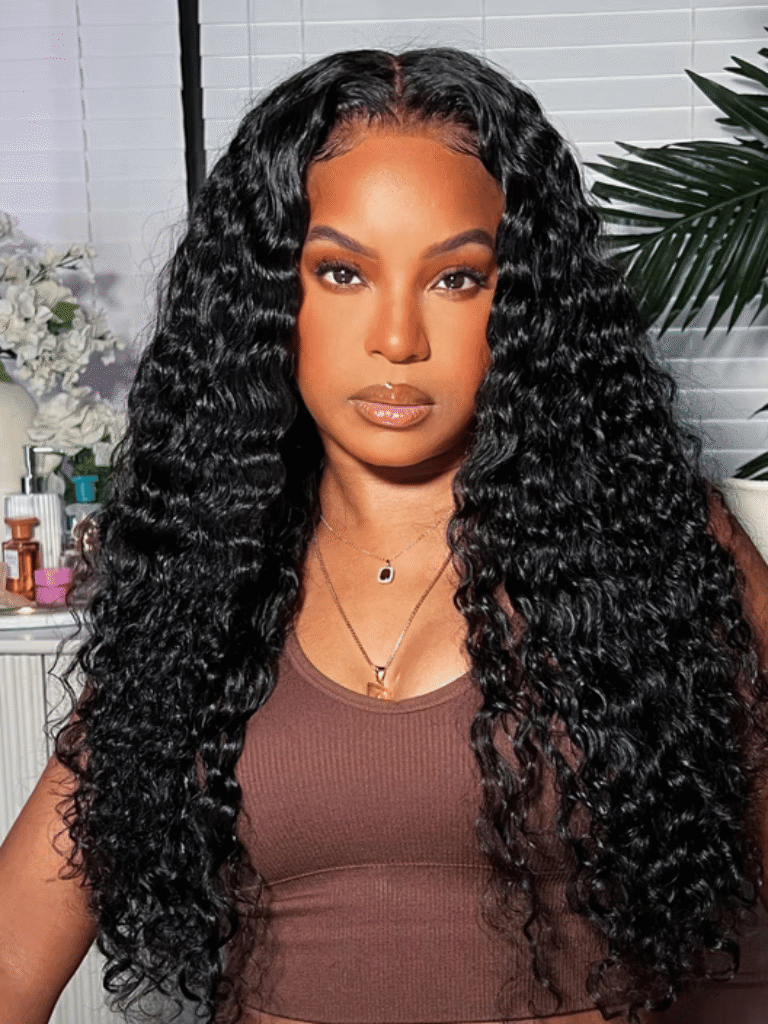
A lace front wig has a small, sheer panel of lace along the front hairline. Each hair is individually hand-tied to this lace, creating the illusion that the hair is growing right from your own scalp. This is the most popular cap construction for a realistic and undetectable hairline.
- Best for: A natural-looking hairline, styling hair away from the face.
- Keep in Mind: The lace is delicate and must be handled with care.
Full Lace Wigs

A full lace wig uses a lace base for the entire cap. This means every hair on the entire wig is hand-tied, offering maximum styling versatility. You can part it anywhere and even wear it in high ponytails without revealing the wig’s edge.
- Best for: Ultimate styling freedom, maximum breathability.
- Keep in Mind: This is often the most expensive cap construction due to the intensive labor.
Monofilament Wigs

Monofilament (or “mono-top”) wigs feature a soft mesh material at the crown where each hair is individually hand-tied. This allows you to part the hair in any direction on the top of the head, and it creates a very realistic scalp appearance.
- Best for: A natural scalp look, flexible parting options at the crown.
Hand-Tied Wigs
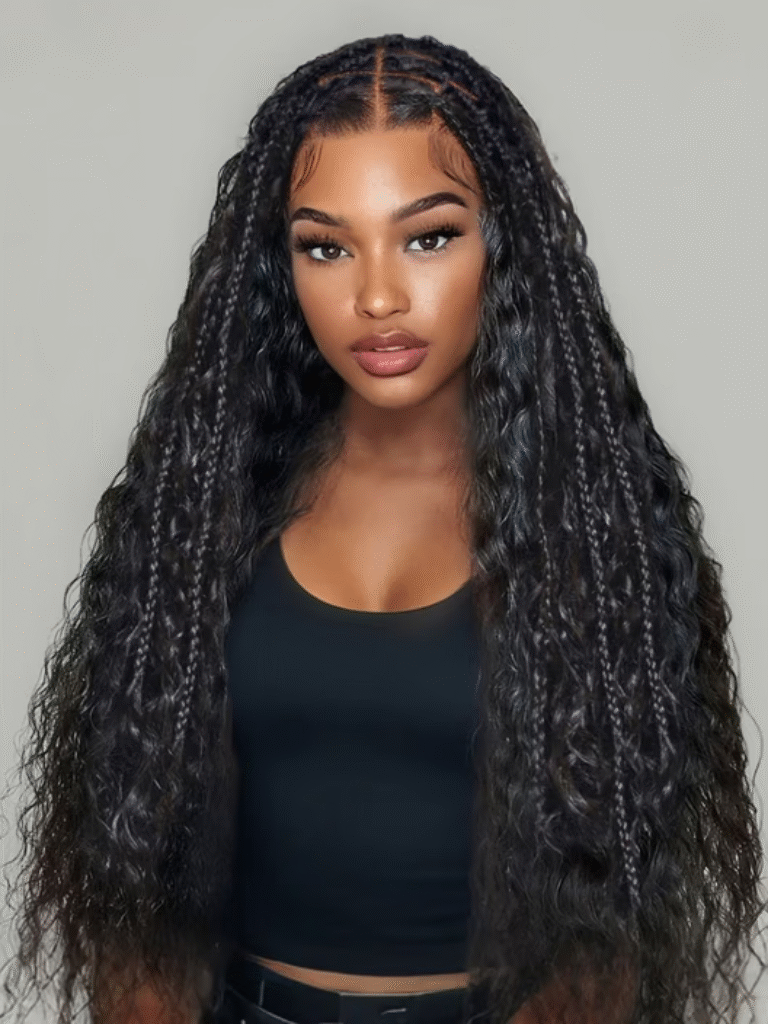
A 100% hand-tied cap is the most luxurious and comfortable option. The entire cap is constructed by hand-knotting individual strands onto a soft mesh material. This allows the hair to move freely in any direction, offering the most natural movement.
- Best for: Maximum comfort (great for sensitive scalps), the most natural hair movement.
💰Save More with Our Discounts & Coupons!
- 1
- 2
- 3
- …
- 27
- Next Page »
Step 3: Finding Your Perfect Fit – How to Measure Your Head for a Wig
A comfortable, secure fit is non-negotiable. An ill-fitting wig can slip or cause headaches. While most wigs are “Average” size and come with adjustable straps, measuring your head ensures you get the best fit possible.
Here’s how to do it in three simple steps:
- Get a soft tape measure. If you don’t have one, you can use a string and a ruler.
- Measure your circumference. Start at your natural front hairline, run the tape behind your ear to the nape of your neck, go around to your other ear, and bring it back to the front. This is the most important measurement.
- Compare to standard sizes.
- Petite: 21 inches or less
- Average: 21.5 – 22.5 inches
- Large: 23 inches or more
Most human hair wigs come with adjustable straps inside the cap, allowing you to fine-tune the fit for a secure and comfortable feel all day.
Step 4: Choosing a Style That Complements Your Face Shape
This is the fun part! While you can wear any style that makes you feel great, certain cuts can be especially flattering for your specific face shape.
- Oval Face: Considered the most versatile, you can pull off nearly any style, from long layers to a short pixie.
- Round Face: Look for styles that add height and length, not width. Longer bobs, layers, and styles with volume on top are great choices.
- Square Face: The goal is to soften the angles of your jawline. Styles with waves, curls, and layers around the face are perfect.
- Heart Face: Choose styles that add volume at the chin to create balance. Chin-length bobs and shoulder-length styles with soft layers are excellent options.
💰Save More with Our Discounts & Coupons!
- 1
- 2
- 3
- …
- 27
- Next Page »
Step 5: Essential Care & Maintenance for Your Human Hair Wig
A human hair wig is an investment, and proper maintenance is the key to protecting it. With good care, your wig can last for years.
How to Wash Your Human Hair Wig
- Detangle Gently
Before washing, use a wide-tooth comb to gently detangle the hair, starting from the tips and working your way up to the roots.
- Wash with Care
Use a sulfate-free shampoo specifically designed for color-treated hair or wigs. In a basin of lukewarm water, lather the shampoo in your hands and gently smooth it down the hair. Do not scrub or bunch the hair.
- Rinse Thoroughly
Rinse the hair under cool, running water until all the shampoo is gone.
- Condition
Apply a moisturizing conditioner, avoiding the base of the wig cap (the knots). Let it sit for a few minutes before rinsing.
- Pat Dry
Gently squeeze out excess water with your hands and lay the wig on a towel to pat dry.
- Air Dry
Place the wig on a wig stand to air dry completely. This helps it maintain its shape.
Styling and Heat Protection
Just like real hair, you can use heat tools on your human hair wig, but always use a heat protectant spray first! Use tools on a low-to-medium heat setting to prevent damage and extend the wig’s lifespan.
Your Human Hair Wig Questions, Answered (FAQ)
The most realistic wigs are 100% human hair wigs with a lace front or full lace cap construction. These features create an undetectable hairline and a natural scalp appearance. Hand-tied wigs also offer incredibly realistic movement.
Virgin hair is the highest quality. It is 100% pure human hair that has never been chemically processed (dyed, permed, etc.) and has all its cuticles intact and aligned. Remy hair also has aligned cuticles (preventing tangling) but may have been processed for color or texture. Both are excellent choices, but virgin hair is the premium option.
With proper care and maintenance, a quality human hair wig can last for 1 to 3 years, making it a great long-term investment compared to synthetic wigs.
It is strongly recommended that you do not sleep in your wig. The friction against a pillow can cause tangling, frizz, and damage to the hair fibers and the wig cap. It’s best to store it on a wig stand overnight.
Conclusion: An Investment in Your Confidence
Choosing your first human hair wig is a journey, but it’s one that leads to renewed confidence and incredible style freedom. By understanding the key differences in hair types, mastering cap construction, and committing to proper care, you are fully equipped to make an informed choice. A high-quality human hair wig is more than just hair—it’s an investment in yourself.