Getting started with hunting can feel overwhelming, especially when you look at the mountain of hunting accessories available. What do you actually need? Do you have to spend a fortune at hunting stores to be successful?
The short answer is no. This beginner-friendly guide is designed to cut through the noise and give you a practical checklist of essential hunting gear. We’ll cover the foundational items every new hunter needs for a safe, comfortable, and effective first season, focusing on quality over quantity.
For a successful hunt, a beginner’s hunting kit must include three core components: a reliable layering system for clothing, quality optics for spotting game, and essential safety and field-dressing tools. Investing in these basics will set you up for success without breaking the bank.
💰Save More with Our Discounts & Coupons!
- 1
- 2
- 3
- …
- 13
- Next Page »
The Most Important Rule: Quality Over Quantity
Before we dive into the list, remember the golden rule of hunting equipment: buy the best you can afford, and only buy what you truly need. A few high-quality, durable pieces will serve you far better than a backpack full of cheap hunting equipment that might fail when you need it most. This approach not only saves you money in the long run but also promotes a more sustainable mindset.
The Essential Hunting Gear Checklist for Beginners
We’ve organized this guide into logical categories. Think of this as your shopping list for your first trip to an online or local hunting store.
1. Essential Clothing & Footwear (The Layering System)
Staying warm, dry, and concealed is the most critical part of any hunt. The key is to dress in layers you can add or remove as conditions change.
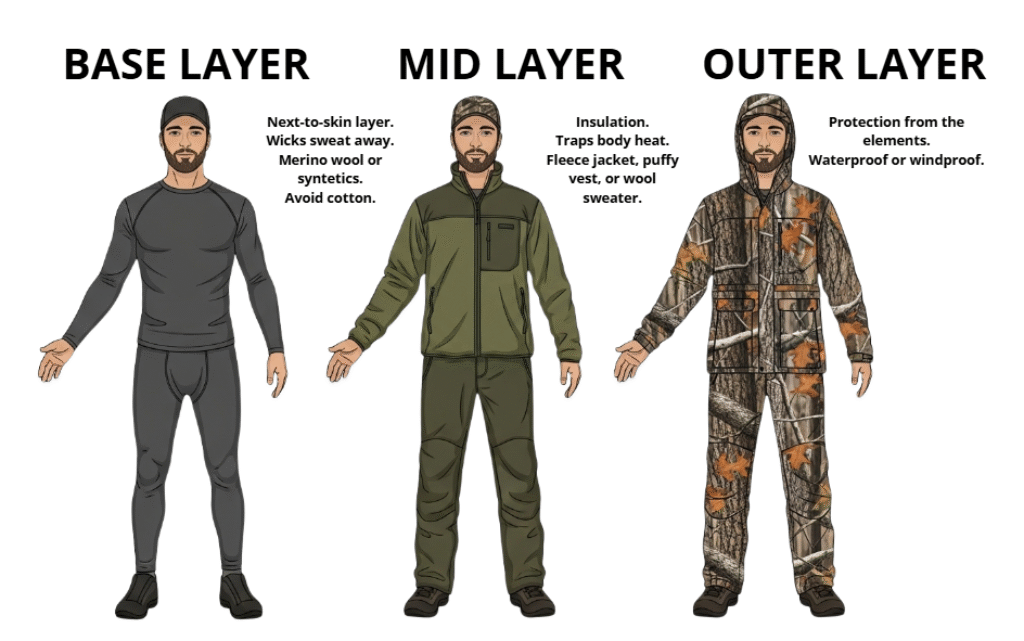
- Base Layer: This is your next-to-skin layer. Choose moisture-wicking materials like merino wool or synthetics to pull sweat away from your body. Never wear cotton, as it holds moisture and will make you cold.
- Mid Layer: This is your insulation. A fleece jacket, puffy vest, or wool sweater works perfectly to trap body heat.
- Outer Layer (Shell): Your protection from the elements. This should be a high-quality waterproof and windproof jacket and pants to shield you from rain, snow, and wind.
- Hunting Boots: This is the single most important piece of hunting gear you will buy. Invest in a pair of broken-in, waterproof boots that provide excellent ankle support for navigating rough terrain.
- Socks, Gloves, and Hat: High-quality wool socks are a must for keeping your feet dry and blister-free. Pack a warm hat (beanie) for cold mornings and a pair of durable gloves.
💰Save More with Our Discounts & Coupons!
- 1
- 2
- 3
- …
- 13
- Next Page »
2. Essential Optics for Scouting
You can’t shoot what you can’t see. Optics are your eyes in the field and are just as important as your weapon.
- Binoculars: A good pair of binoculars is non-negotiable. They allow you to glass distant hillsides and identify animals without having to move and reveal your position. A magnification of 8×42 or 10×42 is the perfect all-around choice for most hunting scenarios.
- Rangefinder: This device tells you the exact distance to your target, which is absolutely critical for making an ethical and accurate shot, especially for archery.
3. Essential Hunting Tools
These are the must-have gadgets that belong in every hunter’s pack.
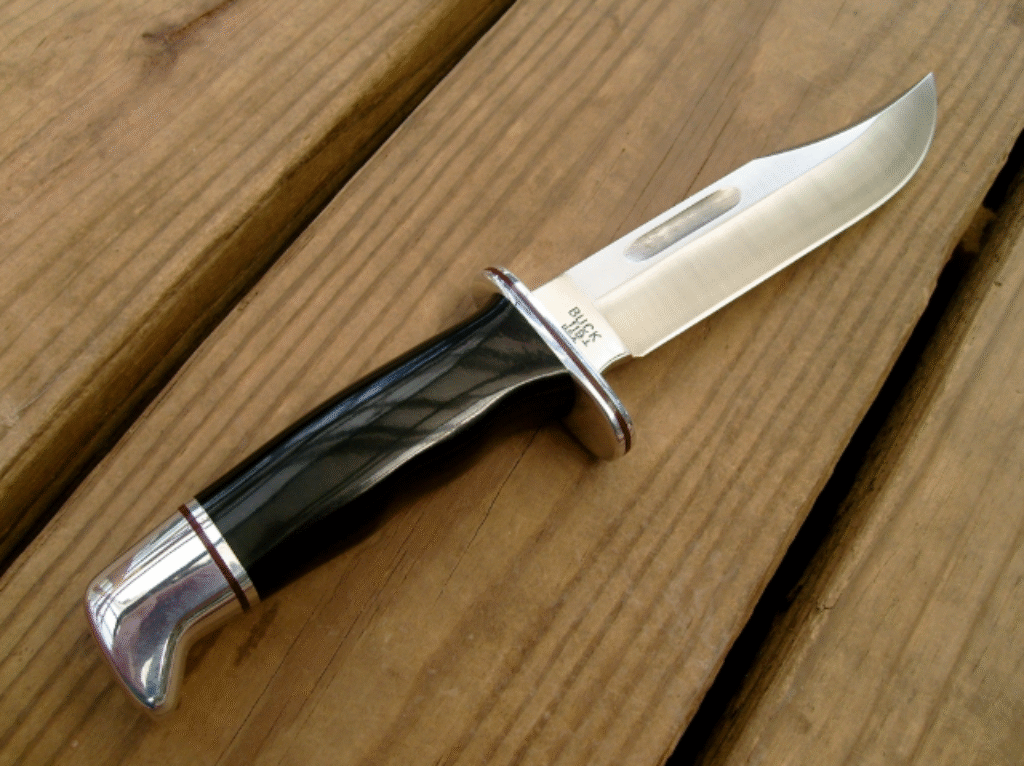

- Hunting Knife: You’ll need a sharp, reliable knife for field dressing. A sturdy fixed-blade knife is often preferred for its strength, but a high-quality folding knife is more portable.
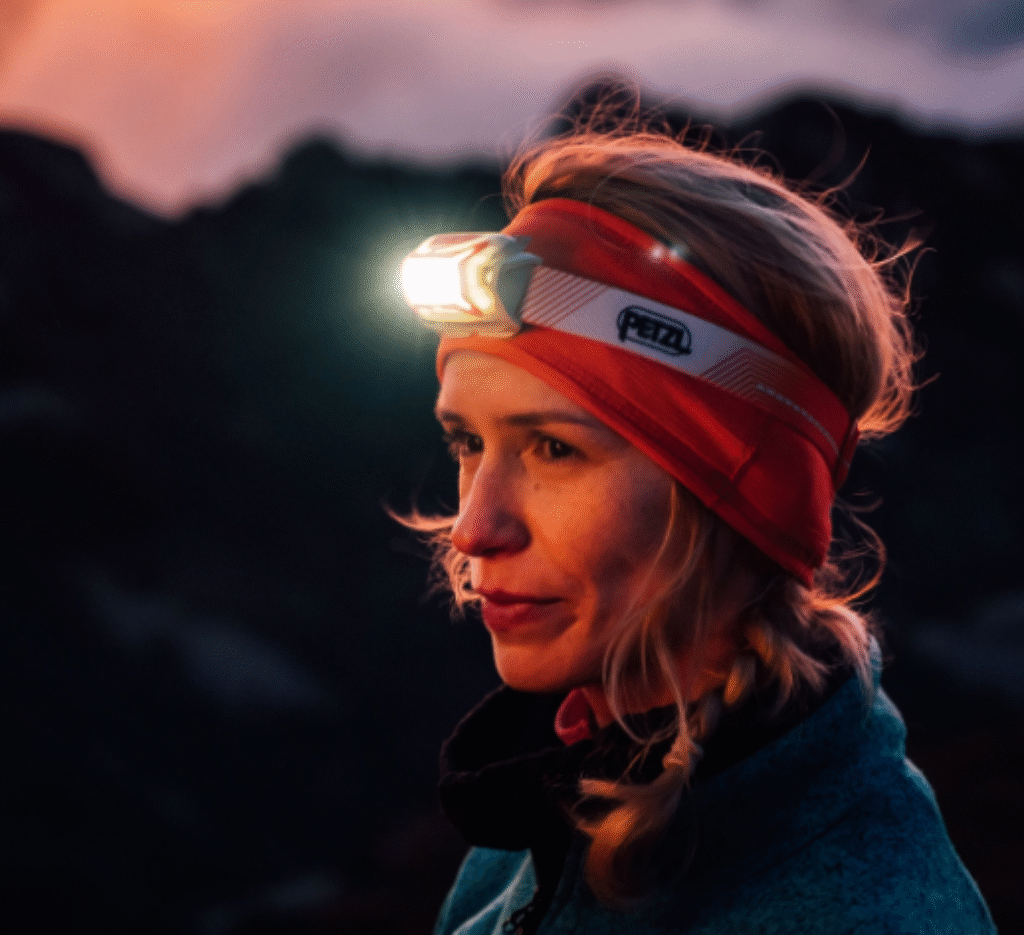
- Headlamp or Flashlight: You will be walking in and out of the woods in the dark. A hands-free headlamp is essential for safety and navigation. Always pack extra batteries.
- Navigation Tools: Never rely solely on your phone’s GPS. Carry a physical map and a compass and know how to use them. A dedicated GPS unit or a reliable mapping app (like onX Hunt) is also highly recommended.
4. The Hunting Pack
To carry all this hunting equipment, you’ll need a comfortable backpack.
- Day Hunts: For most beginners, a pack in the 20-30 liter range is perfect for carrying a day’s worth of gear and water.
- Multi-Day Hunts: If you plan on overnight trips, you’ll need a larger pack with a frame, likely in the 40-60 liter range.
5. Safety & Field Care Kit
Safety is paramount. Never go into the field without these items.
- Blaze Orange: A blaze orange hat and/or vest is required by law in most areas. It ensures other hunters can see you and is the most important piece of safety gear you own.
- First-Aid Kit: Pack a basic first-aid kit that includes bandages, blister care (moleskin), pain relievers, and any personal medications.
- Game Bags: After a successful harvest, these lightweight, breathable bags are used to protect the meat and keep it clean during transport.
💰Save More with Our Discounts & Coupons!
- 1
- 2
- 3
- …
- 13
- Next Page »
Where to Buy Hunting Gear: Finding the Best Deals
Building your hunting kit can be expensive, but you can find great value if you know where to look.
- Online Hunting Stores: Websites often offer a massive selection of cool hunting gear and competitive prices. Keep an eye out for end-of-season sales.
- Local Hunting Supplies Near Me: Don’t overlook your local shops. The experts there can offer invaluable advice, and you can physically try on critical items like boots and backpacks to ensure a perfect fit.
- Look for Discount Hunting Equipment: As a beginner, you don’t need the most expensive, latest gear. Many brands offer high-quality, budget-friendly lines that perform exceptionally well.
Conclusion: Get the Gear, Get Out There
Gearing up for your first hunt is an exciting part of the journey. By focusing on this checklist of best hunting accessories, you can build a reliable and effective kit without getting bogged down by non-essentials. Prioritize your budget on the essentials—boots, optics, and quality outerwear—and you’ll be prepared for a safe, comfortable, and successful season in the field.
Frequently Asked Questions (FAQ)
Every hunter should have a quality layering system (base, mid, outer layers), waterproof boots, binoculars, a reliable hunting knife, a headlamp, navigation tools (map/compass/GPS), a first-aid kit, and the legally required amount of blaze orange for safety.
Aside from a weapon and license, the two most important items are arguably high-quality hunting boots for mobility and comfort, and a blaze orange vest or hat for safety. If you can’t move comfortably or be seen by other hunters, your hunt is over before it begins.
Hunters wear blaze orange to be highly visible to other hunters. The bright color is easy to distinguish from the natural environment, which helps prevent accidental shootings. Most game animals, like deer, have a form of colorblindness that makes it difficult for them to see blaze orange, so it doesn’t affect the hunt.