Most people buy “the warmest jacket they can afford” and then sweat, freeze, or both. Lab work on multi-layer clothing shows that total comfort comes from how layers work together, not from one monster parka. This guide explains the base–mid–shell system using real insulation and comfort data so you can assemble a smarter setup from the jackets you already own.
What each layer actually does (not what the labels say)
In a proper three‑layer system, each layer has a specific job:
- Base layer: Moves sweat off your skin.
- Mid layer: Provides most of the insulation.
- Shell layer: Controls wind and water.
Studies on everyday clothing behavior show that people instinctively adjust upper body layers and total clothing mass to maintain comfort across seasons. The science behind multi-layer protective jackets confirms this: adding or removing layers changes total thermal resistance far more efficiently than swapping one heavy jacket for another.
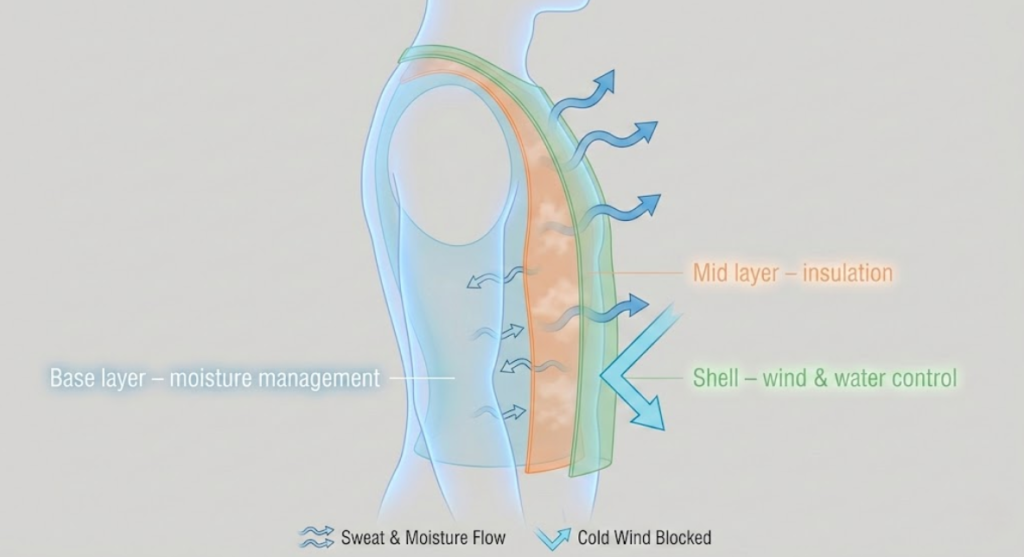
Pro Tip: Think of layers as knobs you can turn separately: moisture (base), warmth (mid), and exposure (shell). That’s far more controllable than “one jacket that does everything badly.”
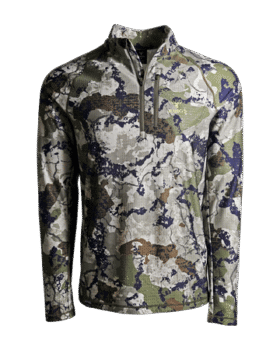
Base layer: moisture manager, not a “warmth” layer
Base layers are often marketed as thermal, but research shows their main job is managing skin microclimate and moisture, not being the primary insulator.
- Field data on clothing insulation in comfortable conditions found that inner temperature and moisture near the skin (T_innermost) are key predictors of overall insulation choice and comfort.
- If the base layer traps sweat, it raises skin humidity, increasing conductive and evaporative heat loss once you stop moving.
What a good base layer should do:
- Wick sweat away from the skin.
- Dry quickly between activity bursts.
- Avoid heavy cotton (which holds water and kills insulation).
Merino and synthetics both work; what matters is how fast they move moisture to the mid layer, where it can spread and evaporate more safely.
💰Save More with Our Discounts & Coupons!

Mid layer: where most of your warmth should live
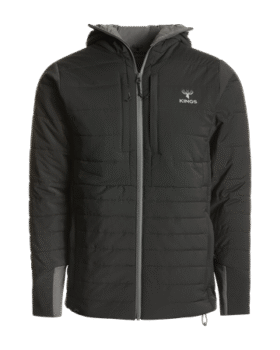
The mid layer is your main insulation knob. Studies on multi-layer thermal inserts in protective jackets show that increasing the mass of the insulation layer increases total clothing insulation, but with diminishing returns. It’s more efficient to fine-tune mid-layer thickness than to make the outer shell excessively bulky.
Key findings from thermal insert research:
- Detachable quilted inserts with higher mass per area significantly increase clo, but only up to a point.
- Integration efficiency matters: how well the mid layer interfaces with shell and base changes total system insulation, not just its standalone rating.
Practically:
- Light mid layer (thin fleece/light synthetic): For high-output activity or mild cold.
- Medium mid layer (thicker fleece/light puffy): For typical winter walking, day hikes.
- Heavy mid layer (lofted down or synthetic puffy): For static use in serious cold.
Pro Tip: Don’t put all your insulation into the shell. Use a smarter shell and a swappable mid layer, so you can “upgrade” warmth without buying a new outer jacket.
Shell layer: wind and water control—your clo multiplier
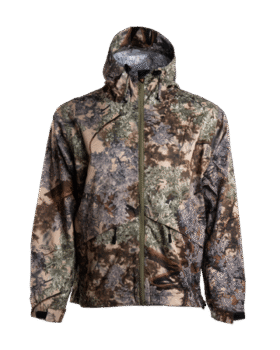
Shell layers are often misunderstood as “rain jackets” only. In reality, they are clo multipliers—they decide how much of your insulation you actually keep.
Research on extreme-cold protective assemblies shows that wind and air permeability can erase up to ~80% of your effective insulation if the shell leaks air. A good shell:
- Blocks wind (low air permeability).
- Manages water (rain, snow, and spray).
- Balances breathability (enough to vent, not so much that wind pumps through constantly).
The multi-layer thermal insert study found that the same insulation performs very differently under different shells, because the shell alters convection and moisture transport.
Translation: You can often turn a “mediocre” puffy into a great system just by adding a proper windproof shell.
Dealibrium Take: Build systems, not single jackets
Here is how the science translates into real three‑layer choices.
Layering combinations and what they’re good for
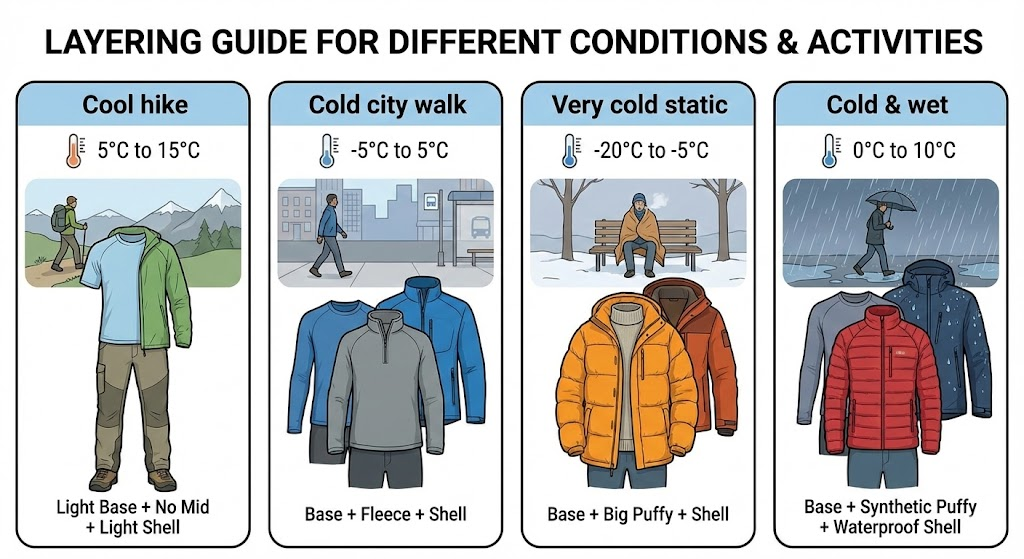
| Situation | Base Layer | Mid Layer | Shell Layer | Why This Works |
|---|---|---|---|---|
| Cool, dry hike | Lightweight wicking tee | None or thin fleece | Windshirt / light soft shell | Minimal insulation, max moisture control |
| Cold, dry walking (-5 to 0 °C) | Synthetic or merino long sleeve | Medium fleece or light puffy | Windproof, breathable shell | Mid layer provides core clo; shell preserves it |
| Very cold, mostly static (-10 °C and below) | Wicking base | Lofted down or thick synthetic | Sturdy windproof shell | High clo mid layer + shell stops convective loss |
| Cold and wet, variable effort | Fast-drying base | Synthetic puffy | Waterproof breathable shell | Synthetic handles moisture better under shell |
Dealibrium Take:
- Put most of your money into a good shell + adaptable mid layers, not one huge parka.
- Use total system flexibility to cover more seasons and activities with fewer, smarter pieces.
💰Save More with Our Discounts & Coupons!
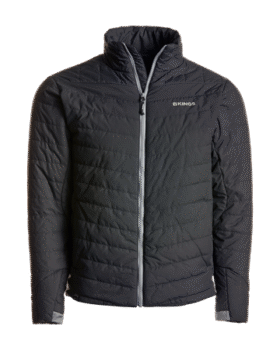
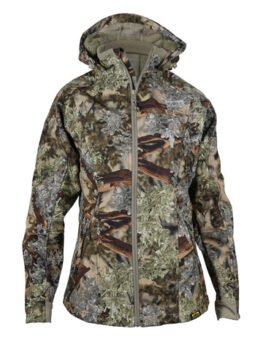
How many layers do you really need?
Observational data on everyday clothing use shows that people naturally wear 1.1 to 3.2 upper layers, adjusting both layer count and clothing mass as conditions change. The total insulation ranged from about 0.78 to 2.10 clo depending on temperature and activity level.
This aligns with cold-protective research:
- Below 0 °C, an unprotected person loses heat faster than basal metabolism can replace it; clothing must make up the difference.
- Multi-layer systems with removable thermal inserts can be tuned to deliver the right clo for conditions instead of overcommitting to a single static value.
In practical terms:
- 1–2 layers for cool conditions or high-output work.
- 2–3 layers for cold conditions with mixed activity.
- 3+ layers (including accessories like vests) for severe cold or static use.
Pro Tip: If you’re often going from car → active movement → standing still (e.g., hiking then glassing, or walking then sitting in a stand), plan for at least one removable mid layer you can stow or add quickly.
Common layering mistakes (and how to fix them)
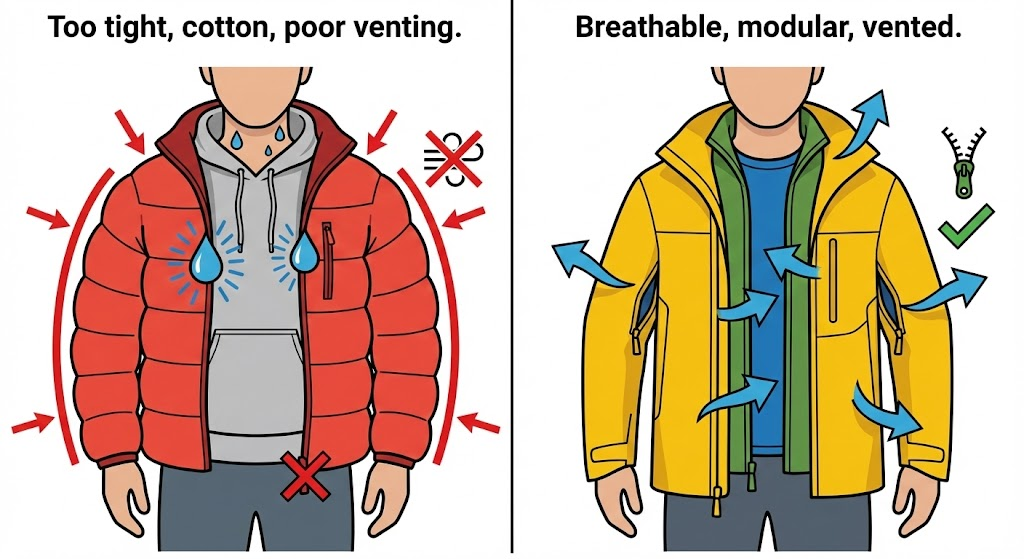
- Wearing a heavy cotton hoodie as a mid layer
- Buying a shell that’s too tight for layering
- Research on clothing area factor (f_cl) shows that highly insulating ensembles need space for air and layer loft; too tight = crushed insulation, lower clo.
- Fix: Size shells to allow at least one substantial mid layer without compression.
- Using a thick, insulated shell and no mid layer
- Limits adjustment. If you overheat, you have to open the whole system, dumping heat and inviting wind in.
- Fix: Choose a lightly insulated or uninsulated shell and modular mid layers instead.
- Ignoring venting options
- Studies on jacket ventilation show that controlled vents (pit zips, mesh pockets) dramatically alter dry and evaporative heat transfer.
- Fix: Prefer shells with vents so you can regulate without stripping layers.
Example systems you can build from typical gear
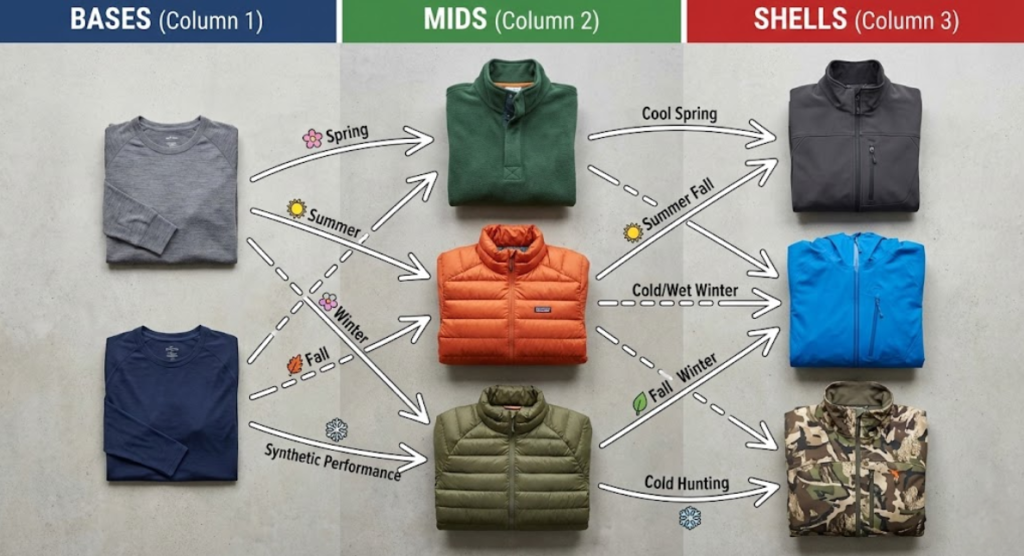
You don’t need to buy everything new; you need to rethink combinations.
Example 1: Budget urban + hiking system
- Base: Synthetic long-sleeve or gym top.
- Mid: Cheap fleece jacket.
- Shell: Simple windproof rain shell.
This 3‑piece combo can handle cool commutes, mild winter days, and day hikes by adjusting mid-layer use.
Example 2: Hunter / sit-and-move system
- Base: Wicking thermal underwear.
- Mid: Quiet synthetic or down puffy.
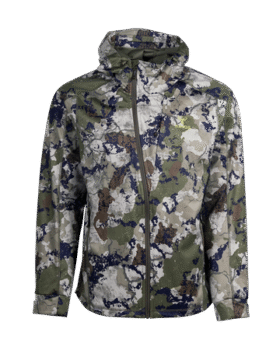
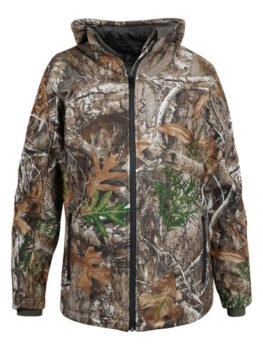
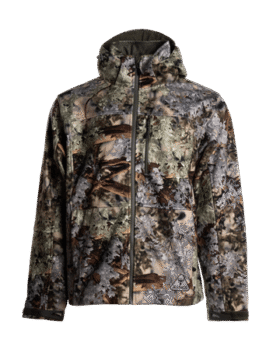
- Shell: Camo windproof/waterproof hunting shell with good harness compatibility.
Walk in with mid layer partially open; close shell and add mid-layer when sitting still.
Example 3: Alpine or exposed ridge system
- Base: High-wicking synthetic.
- Mid 1: Light fleece.
- Mid 2: Down or synthetic puffy (vest or jacket).
- Shell: Fully windproof, waterproof hard shell.
Adjust by adding/removing Mid 2 depending on wind and altitude.
💰Save More with Our Discounts & Coupons!
Frequently Asked Questions
No. Three layers are a framework, not a rule. In mild or high‑output conditions, two layers (base + shell or base + mid) are often perfect. The key is having the option to go to three when conditions demand it.
Clothing insulation studies suggest that if you feel chilled after 10–15 minutes at rest, your total clo is too low. Add mid-layer thickness or improve the shell’s wind protection.
Yes—and it’s often ideal. For example, a synthetic mid layer (handles moisture) plus a down belay jacket you throw on only when stopped combines resilience with high warmth-to-weight.
Not obsolete, but niche. They’re fine for users who mostly do one type of activity in one climate. If your use varies, a modular three-layer system is more flexible and usually more cost-effective overall.
Key Takeaways: Build One System, Cover Many Seasons
The science behind layering is clear: total comfort depends on how layers share the work of moisture management, insulation, and exposure control—not on the thickness of any single jacket.
For buying and using jackets:
- Invest in a solid shell with wind and weather protection plus vents.
- Use mid layers as your main warmth dial—thicker for static cold, thinner for high-output movement.
- Treat base layers as microclimate managers, not primary insulation.
A smart three-layer system lets you cover autumn hikes, winter commutes, windy ridgelines, and cold stands with a small set of pieces that work together. That’s better value, better comfort, and far fewer “I’m either sweating or freezing” days.